Fabrication Machinery Lead Times and Planning
A production bottleneck rarely starts on the day a machine fails. More often, it begins months earlier when a shop recognizes that an aging saw, manual process, or capacity constraint cannot support incoming work but waits too long to place an order. Fabrication machinery lead times should be treated as part of production planning, not as a purchasing detail to address after a capital decision has been made.
For window and door manufacturers processing PVC, aluminum, wood, or composite profiles, the timing of a machinery purchase can affect quoting, staffing, installation schedules, and customer delivery commitments. The right equipment can improve cut accuracy and throughput, but only if it arrives, is installed, and is ready for production when the operation needs it.
Why Fabrication Machinery Lead Times Vary
There is no single lead time for industrial fabrication equipment. A manual saw that is in domestic inventory may be available quickly, while a configured automatic saw, multi-operation machining center, or specialized profile-processing system may require substantially more time. The difference comes down to machine availability, configuration, logistics, and the preparation required at the shop.
Standard equipment with common specifications is generally easier to source than equipment built around a particular profile system, cutting range, automation package, electrical requirement, or tooling application. A machine can be physically complete at the factory but still need guards, fixtures, blades, cutters, or control options before it is ready to ship for the intended operation.
Freight planning also matters. Large machinery may require crating, specialized transportation, a scheduled receiving window, unloading equipment, and coordination with a rigging provider. For imported equipment, ocean transit, port handling, customs processing, and inland delivery add variables that cannot be managed like a parcel shipment.
Local stock can shorten the path considerably when the required model is available and appropriate for the job. For Florida fabricators, access to stocked equipment and a Miami showroom can also make it easier to evaluate a machine before committing to a purchase. Still, available inventory should be matched to the application, not selected solely because it can ship first.
The Lead Time Is Longer Than the Delivery Date
A common planning mistake is to define lead time as the number of days between placing a purchase order and receiving equipment at the facility. That date matters, but it is not the date at which the machine begins producing saleable parts.
The more useful measurement is time to productive operation. This includes the order and manufacturing period, transportation, unloading, placement, electrical or air connections, commissioning, operator training, setup verification, and first-run quality checks. If the machine requires dedicated tooling or integration with an existing production cell, the timeline may extend further.
A new upcut saw, for example, may be installed relatively quickly in a prepared location. A more automated cutting system may need material handling changes, a revised workflow, programmed cut lists, and additional operator instruction. Neither scenario is a problem when planned correctly. Both become a problem when the shop has promised increased output before the equipment has completed acceptance testing.
Site Readiness Can Create Avoidable Delays
Many of the most frustrating delays happen after the equipment has arrived. The machine is on-site, but the pad is not ready, the electrical service does not match the specification, compressed air capacity is insufficient, or the planned location interferes with material flow.
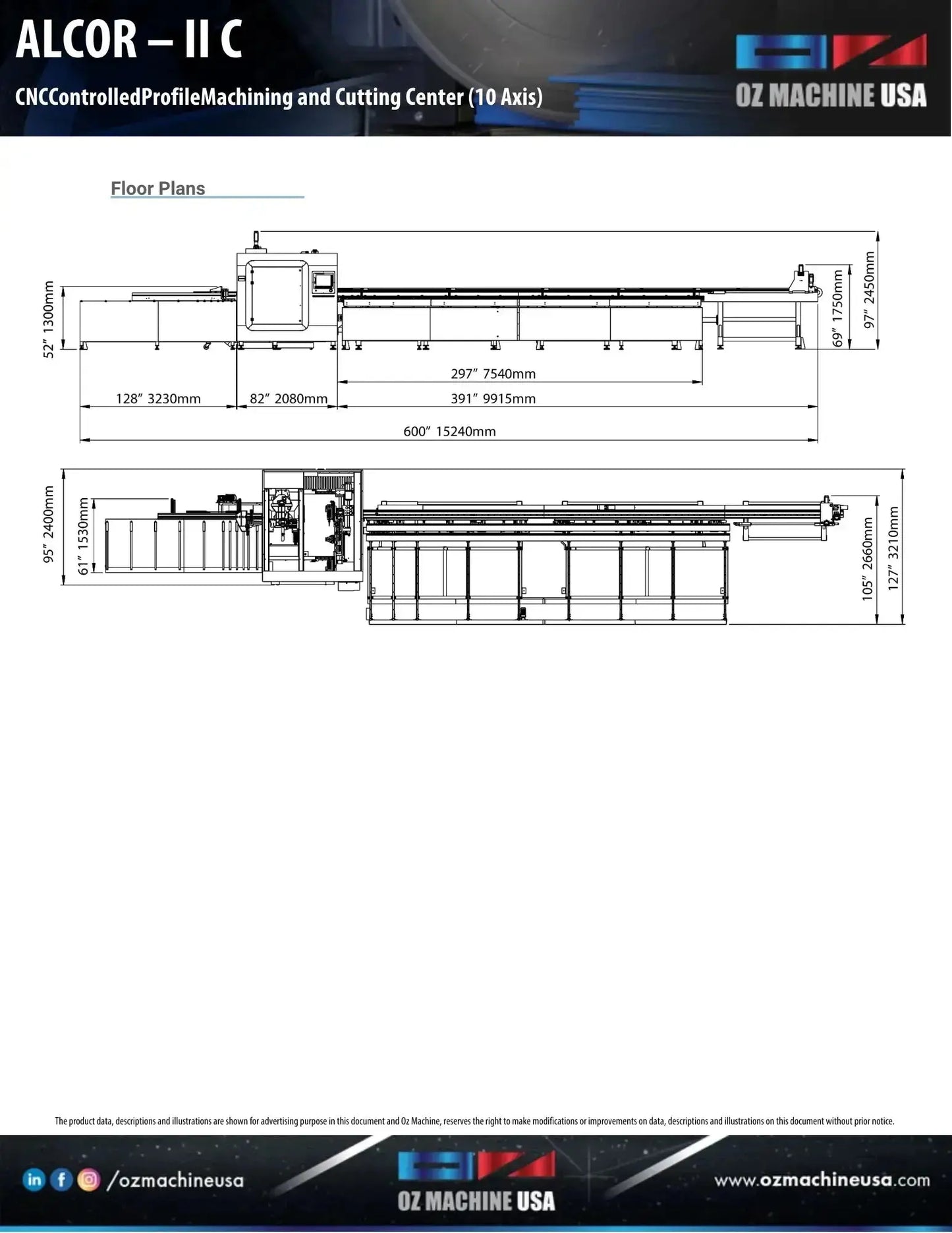
Before placing an order, confirm the machine footprint, service clearances, weight, power requirements, air requirements, dust collection needs where applicable, and material infeed and outfeed space. Review door widths, ceiling clearance, forklift access, and the route from the delivery point to the installation area. These details are operational requirements, not facilities paperwork.
It is also worth deciding what will happen to the machine being replaced. A shop that has not planned removal, resale, storage, or repositioning of old equipment can lose valuable installation time and floor space.
Plan From the Production Need Backward
The best time to start a machinery conversation is not when a backlog has already become unmanageable. Start with the business event driving the need: a new contract, a seasonal demand increase, a product line expansion, recurring quality issues, or a planned replacement of unreliable equipment.
Work backward from the date when the added capacity must be running at normal production levels. Build in time for supplier consultation, machine selection, financing approval if needed, manufacturing or allocation, shipping, site preparation, installation, training, and a controlled ramp-up period. A reasonable buffer is not wasted time. It protects the production schedule from ordinary variables.
For example, if a fabricator expects a new aluminum window program to begin in the third quarter, the equipment decision may need to happen well before the program's first scheduled shipment. The exact timing depends on the machine and its configuration, but the purchasing decision should be tied to the operational start date, not the customer launch announcement.
This approach also improves quotes and sales commitments. Rather than assuming that new equipment will solve a capacity issue immediately, the business can quote delivery windows based on confirmed production capability.
Ask Questions That Produce a Useful Lead-Time Estimate
A supplier should be able to explain what is known, what is estimated, and what could change. General statements such as "available soon" are not enough for a capital purchase that affects production commitments.
Ask whether the quoted machine is in stock, allocated, in production, or built to order. Confirm which options, tooling, blades, fixtures, or accessories are included and whether any have separate availability dates. Request clarity on the shipping origin, expected transportation method, delivery responsibility, and whether installation or startup support must be scheduled separately.
It is equally important to ask about the date that starts the clock. In some cases, lead time begins only after the supplier has received a complete purchase order, approved drawings or specifications, deposit, and any required technical information. Delays in approvals or changes to configuration can move the schedule before manufacturing has even begun.
When evaluating alternatives, compare more than the stated delivery window. A faster machine that requires extensive site changes or cannot reliably process the intended profile may create more disruption than a properly configured unit with a longer lead time. Equipment selection should balance speed of availability with cycle time, accuracy, repeatability, serviceability, and long-term capacity.
Use the Waiting Period Productively
Once the order is placed, the lead-time period should not be passive. Assign an internal owner for the project and establish milestones for site preparation, utility work, receiving, staffing, tooling, process documentation, and training. A short weekly review can identify missing information before it becomes an installation-day issue.
This is also the right time to examine the process around the new machine. Determine how profiles will arrive at the workstation, where completed parts will go, how cut lists will be released, who will inspect first articles, and how operators will respond to blade wear or setup variation. More capacity at one process can expose constraints downstream in assembly, welding, glazing, hardware installation, or packaging.
If financing is part of the purchase, begin that process early enough that approval does not hold up the order. Financing can preserve working capital, but its documentation and approval timeline should be considered alongside equipment availability.
When Expedited Delivery Makes Sense
Expedited freight or a stock-machine purchase can be appropriate after an unplanned breakdown, a critical contract award, or a genuine shortage of production capacity. The decision should be based on the cost of lost output, overtime, subcontracting, delayed shipments, and quality risk, not simply the discomfort of waiting.
There are trade-offs. Expedited transportation raises cost, and selecting a machine only because it is available can leave the shop with limitations that persist for years. In some cases, a temporary repair, second shift, outsourced cutting, or redeployment of existing equipment is the better bridge while the right machine is built and delivered.
A dependable supplier relationship helps here because the discussion can focus on the actual production need. Sheffield Machinery Direct works with fabricators that need to weigh available inventory, tooling, support, and financing against the practical realities of their production schedules.
Treat Timing as Part of the Equipment Specification
Machine capacity, cut quality, automation level, and price belong in every equipment decision. So does timing. A clear view of fabrication machinery lead times gives plant managers the room to prepare the facility, train people properly, protect customer commitments, and bring new capacity online without creating a new bottleneck.
The most productive purchase is not always the one that arrives first. It is the one that is specified correctly, installed into a ready operation, and available to produce consistent parts when the business needs it.