Choosing Window Production Machinery That Scales
A saw that produces a clean cut on the first shift but requires constant adjustment by the end of the week is not helping production. Window production machinery must do more than perform a single operation. It has to hold tolerances across repeated cycles, fit the material systems your shop fabricates, and support the pace required to ship profitable units on schedule.
For window and door manufacturers, the right equipment decision starts with the production problem, not the machine catalog. A growing shop may need to remove a cutting bottleneck. An established plant may be dealing with inconsistent miters, excessive handling, downtime, or an aging machine that has become difficult to service. Identifying the actual constraint makes it easier to select equipment that improves the full workflow rather than simply adding capacity in one area.
Start With the Production Bottleneck
Before comparing machine specifications, look at how work moves through the shop. Track the time from profile staging to cut, machining, assembly, glazing, and final inspection. The slowest or least predictable step often determines daily output, even when other stations have available labor.
If cutting is causing the delay, consider whether the issue is cycle time, setup time, cut quality, material handling, or operator availability. A manual saw can be a practical choice for lower-volume work, short runs, specialty parts, and operations where flexibility matters more than automation. It becomes less practical when operators spend too much time measuring, positioning, and rechecking profiles instead of keeping downstream stations supplied.
The same principle applies beyond cutting. A new automatic saw will not solve an output problem caused by poor material flow, an under-equipped machining station, or frequent delays waiting for tooling. The goal is to create a balanced line where each operation can support the next one without creating excess work in process.
Match Window Production Machinery to the Material
PVC, aluminum, wood, and composite profiles place different demands on the equipment. Material compatibility is not a secondary specification. It affects blade selection, clamping, speed, chip control, finish quality, maintenance requirements, and the long-term consistency of the finished product.
PVC and vinyl profiles
PVC fabrication requires stable support and controlled cutting to avoid chipped edges, deformation, or poor-looking joints. Profile geometry also matters. Multi-chamber extrusions can flex if they are not properly supported during cutting, and thin-walled sections may need carefully selected clamping pressure. A machine that can be set up accurately for the profile system will reduce rework at welding, assembly, and inspection.
Aluminum profiles
Aluminum demands precision and a clean finish, particularly when cut faces will be visible or must mate tightly with another component. Saw rigidity, proper coolant or lubrication practices where required, blade condition, and dependable clamping all influence the result. A small variation in angle or cut length can become a noticeable gap, a difficult assembly condition, or a warranty issue after installation.
Wood and composite profiles
Wood introduces natural variation, while composite materials may combine dense reinforcement with finish-sensitive surfaces. Equipment should provide the stability needed for repeatable cuts without damaging the profile face. Manufacturers also need a realistic plan for dust or chip management, tooling wear, and the setup changes associated with different profile sizes.
When a shop processes more than one material type, versatility has value, but it should not come at the expense of accuracy. In some cases, dedicated equipment for a high-volume material family will produce a better return than asking one machine to handle every job.
Choose the Right Saw Configuration
Saw selection should reflect part mix, production volume, and the level of repeatability required. The least expensive machine at purchase can be costly if it adds labor, scrap, or delays at every shift.
Manual saws are often a sound fit for maintenance departments, light fabrication, custom work, and smaller production runs. They give an experienced operator direct control and typically require a lower initial investment. Their trade-off is reliance on manual measurement, positioning, and handling, which can limit output as order volume grows.
Automatic saws are better suited to repetitive production where programmed lengths, faster cycle times, and reduced operator intervention can create measurable gains. Their value is strongest when the work is standardized enough to keep the machine utilized. If product changeovers are frequent and lot sizes are very small, the time saved during cutting may be offset by setup requirements.
Upcut saws are widely used where clean, accurate crosscuts and safe material presentation are priorities. Their configuration can support controlled cutting of window and door profiles while keeping the workpiece well positioned. The right model still depends on blade diameter, available cutting envelope, angle capability, clamping arrangement, and the profile dimensions your shop runs most often.
Do not evaluate any saw by its maximum capacity alone. Review the sizes, wall thicknesses, angles, and lengths that represent most of your production. The machine should perform reliably on everyday work, not only on the largest profile listed in its specification sheet.
Look Beyond Published Cycle Times
A stated cycle time is useful, but it does not represent finished throughput on its own. Actual output includes loading, measuring, barcode or order verification, offloading, scrap removal, material replenishment, and occasional adjustment. A machine that cuts quickly but creates awkward handling can shift labor demands to the next station.
Precision should be evaluated the same way. Ask what maintains repeatability throughout a shift: machine construction, fences, clamping, controls, calibration procedures, blade quality, and operator practices all play a role. Consistent cuts reduce more than scrap. They make welding, corner cleaning, hardware installation, and frame assembly easier to control.
It is also worth considering how the machine will be used by different operators. Equipment that is straightforward to set up, clearly guarded, and easy to maintain helps protect performance when staffing changes or production schedules tighten. Complex controls may be justified for a high-volume automated cell, but they can be excessive for a shop that needs dependable, flexible daily operation.
Build Automation Around Real Volume
Automation should address a clear labor, quality, or capacity problem. For a shop processing recurring orders with predictable dimensions, automated positioning and programmable cutting can reduce handling time and minimize measurement errors. The benefit is not simply fewer touches. It is the ability to produce a more consistent flow into fabrication and assembly.
For lower-volume or highly customized work, a well-selected manual or semi-automatic machine may deliver a stronger return. Capital equipment should be matched to utilization. Buying more automation than the current work mix supports can create unnecessary financing pressure, added training needs, and idle capacity.
The better question is not whether automation is good. It is whether the machine will save enough labor, improve enough quality, or release enough capacity to justify its cost over the expected production schedule. That calculation should include tooling, installation, training, service, power requirements, and the cost of planned downtime during implementation.
Treat Support and Tooling as Part of the Purchase
Machinery performance depends on what happens after delivery. Service access, parts availability, technical guidance, and appropriate tooling can determine whether a machine remains productive over years of operation. A supplier that understands window and door fabrication can help identify the practical details that a generic equipment quote may miss.
This matters for Florida manufacturers and other Southeast operations where fast access to equipment, service, and replacement tooling can limit disruption. Sheffield Machinery Direct supports fabricators with machinery, tooling, technical assistance, financing options, and in-house tool and die capabilities. For buyers, the advantage is having a source that can discuss profile processing requirements rather than only machine features.
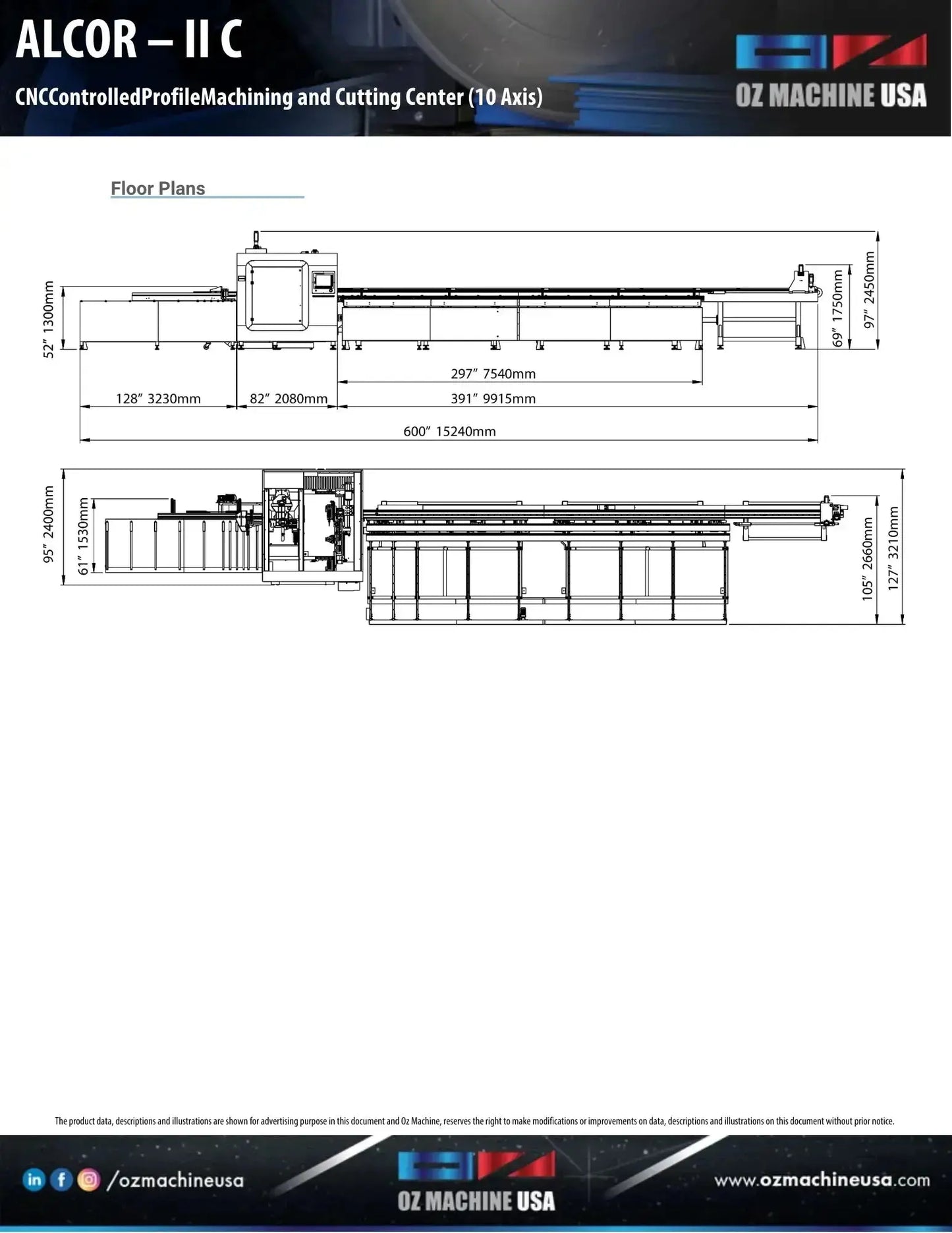
Before committing, ask how preventive maintenance will be handled, which consumables will be needed, what training is available, and how quickly common service issues can be addressed. Review electrical requirements, floor space, material infeed and outfeed needs, and the clearance required for safe operation. These details are often what separate a successful installation from a machine that never reaches its expected output.
Plan the Investment Around Growth
A machinery purchase should support the production plan for the next several years, not just the immediate order backlog. That does not always mean selecting the largest machine or the highest automation level. It means choosing a platform with the accuracy, capacity, and serviceability needed to grow without forcing the operation into an unproductive workflow.
Financing can help preserve cash flow for inventory, labor, and other operating needs, but the payment structure should align with expected production gains. Build the decision around measurable outcomes: fewer recuts, less overtime, shorter lead times, higher daily output, and more reliable finished quality.
The most useful equipment evaluation begins on the shop floor. Bring actual profile samples, common cut lists, and realistic volume expectations into the conversation. A machine that handles your normal work accurately and predictably gives your team a practical foundation for better production every day.