Single Versus Double Head Saws for Fabricators
A saw bottleneck rarely announces itself with a breakdown. It shows up as operators waiting on measurements, inconsistent frame members at assembly, stacks of cut profiles occupying valuable floor space, and overtime that becomes routine. Choosing between single versus double head saws is not simply a question of buying more capacity. It is a decision about how reliably your cutting department can feed the rest of the fabrication line.
For window and door manufacturers processing PVC, aluminum, wood, or composite profiles, the right configuration depends on part mix, required accuracy, labor availability, and the way material moves through the shop. A single-head saw can be the right production tool in one operation and a costly constraint in another. A double-head saw can deliver major gains, but only when the work supports its capabilities.
Single Versus Double Head Saws: The Core Difference
A single-head saw has one cutting unit. The operator positions the profile, sets the required length and angle, makes the cut, and repeats the process for the next part. Depending on the machine, this may involve manual positioning, digital stops, programmable controls, or automatic feed functions. Single-head saws are commonly used for flexible cutting tasks, lower-volume production, repair work, and jobs with frequent changes in dimensions or angles.
A double-head saw uses two cutting units to cut both ends of a profile in one cycle. Typically, one head remains fixed while the other moves along the machine bed to establish the required cut length. Both heads can often pivot to produce miters, allowing the operator to cut a finished frame member with the correct angle at each end at the same time.
That difference changes the process. A double-head machine eliminates a second setup and reduces handling for parts that require two finished ends. When cutting large quantities of rails, stiles, sashes, frames, or other repeated components, this can significantly improve output and consistency.
Where a Single-Head Saw Makes Sense
A single-head saw is often the practical choice for a shop that needs maximum versatility from a modest footprint. It can handle short runs, odd angles, replacement components, sample work, and profiles that do not fit a predictable production sequence. For newer fabricators, it can also provide a lower initial capital requirement while establishing a reliable cutting process.
The equipment cost is only one part of the calculation. A single-head saw usually requires less floor space, simpler material handling, and less installation planning than a long-bed double-head system. This matters in crowded facilities where the saw must fit within an existing flow rather than drive a larger layout change.
Single-head equipment also has a role in established, high-volume plants. Many operations keep one available for rework, special orders, nonstandard cuts, and production overflow. Using a flexible single-head saw for exceptions can protect a double-head saw from interruptions that reduce its throughput advantage.
The trade-off is labor and repeatability. Every additional handling step creates an opportunity for a measurement error, an incorrect orientation, or damage to a finished surface. An experienced operator can produce excellent work on a single-head saw, but the process depends more heavily on that operator following each step consistently.
When a Double-Head Saw Earns Its Space
Double-head saws are built for repeated, accurate two-end cutting. Their value becomes clearest when a shop produces a steady flow of parts at recurring lengths and angles. Instead of measuring, cutting one end, repositioning the profile, measuring again, and cutting the opposite end, the operator loads the material once and completes both cuts in the same cycle.
This approach can improve more than cycle time. It helps control finished length because both cuts are referenced within one machine setup. For mitered aluminum or PVC frame members, that consistency supports cleaner corner assembly, better sightline alignment, and fewer avoidable fit issues downstream.
The labor benefit is equally important. A double-head saw does not remove the need for trained operators, inspection, or safe material handling. It does reduce repetitive positioning and the amount of attention required to produce each finished part. That allows a production team to direct labor toward machining, hardware preparation, assembly, or quality control rather than repeated cut setups.
A double-head saw is usually most appropriate when production volume is consistent enough to keep it utilized. If it spends much of the day waiting for profiles, the return on a larger investment may be weak. If operators are constantly cutting the same families of members in batches, the machine may quickly become a central part of a more efficient cell.
Accuracy Depends on the Whole Cutting System
It is easy to treat saw accuracy as a specification on a machine brochure. In production, accurate cuts result from the combined condition of the saw, blade, clamping system, profile supports, material stops, and operator process.
For aluminum profiles, blade selection, blade speed, lubrication or misting where appropriate, and firm clamping all affect cut finish. A poor clamp setup can allow vibration, leading to burrs, blade marks, or inconsistent miters. For PVC, proper support and sharp tooling help prevent chipping, deformation, and poor surface finish. Wood and composite profiles introduce their own concerns, including grain behavior, dust extraction, surface protection, and blade compatibility.
Double-head saws can improve repeatability because both ends are cut in a controlled cycle. They do not correct poor setup discipline. If the machine is not calibrated, the blade is worn, or the profile is not supported correctly, high output can simply produce a larger quantity of defective parts.
Before comparing saw models, define the tolerances that matter to your finished product. Consider length tolerance, miter accuracy, cut-face appearance, allowable burr level, and how the part must fit at the next station. These requirements should guide machine configuration, not follow it.
Production Volume Is Not the Only Measure
Shops often evaluate a double-head saw based on pieces per shift. That is useful, but it can miss the larger operational picture. The better question is how much time and risk the saw removes from the complete process.
A double-head saw may be justified when it reduces handling, improves first-pass yield, shortens lead times, and prevents downstream assembly delays. Conversely, a single-head saw may remain the stronger choice if your operation makes highly variable products, runs short batches, or requires frequent profile changes that limit the benefit of two-end cutting.
Look at the work order pattern over several months, not just one busy week. Identify how many parts require two miters, how often the same lengths recur, where operators spend time, and how many defects can be traced to cutting. This gives a more accurate picture of whether the problem is machine capacity, workflow, tooling, training, or a combination of all four.
Floor Space, Material Flow, and Safety
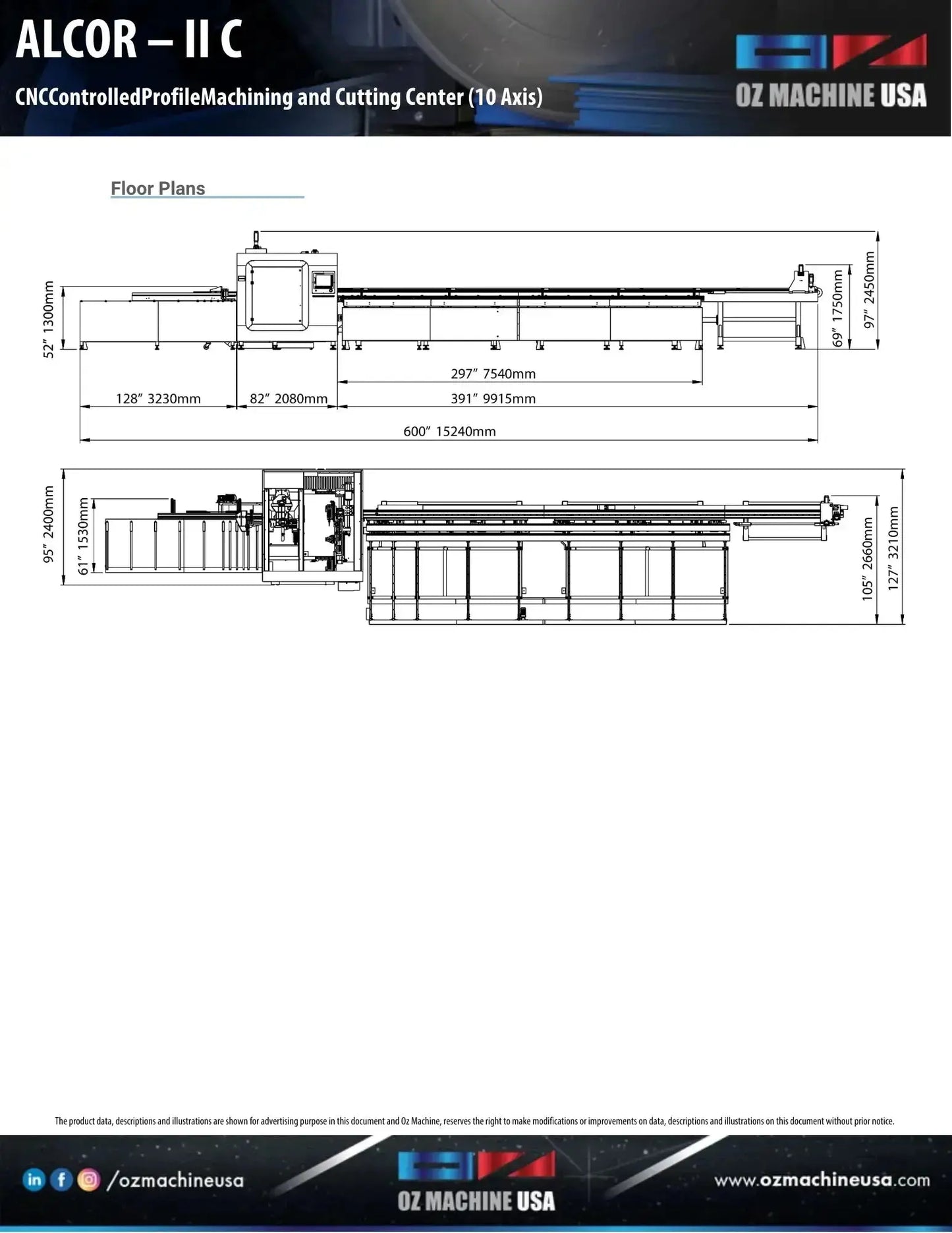
Double-head saws require more than the machine footprint. Long profile infeed and outfeed areas, operator access, service clearance, and safe movement of stock all need to be planned. A machine that fits physically but blocks staging, creates awkward lifting, or interferes with downstream machining will not deliver its expected gains.
Single-head saws are easier to place, yet they can create hidden congestion when operators repeatedly move long profiles through the area. Adequate roller support, measuring systems, offcut management, and scrap collection are essential for either configuration.
Safety planning should be part of the purchase decision. Confirm guarding, emergency stops, clamping sequence, material support, chip or dust extraction needs, and operator training requirements. The fastest cutting cycle has little value if the work area encourages unsafe handling or makes consistent operation difficult.
Questions to Ask Before You Buy
A productive equipment decision starts with specific production data. Before selecting a saw, work through these questions:
- What percentage of daily parts need both ends cut to finished length or angle?
- Which profile materials, widths, wall thicknesses, and lengths will the saw process?
- What are the recurring miter angles and required tolerances?
- How many setups, recuts, and cut-related assembly issues occur in a typical week?
- Can the current floor layout support long-profile flow, service access, and safe staging?
For fabricators planning growth, the decision should also account for the next stage of production. Sheffield Machinery Direct can help evaluate saw capacity alongside tooling, workflow, and the support requirements that affect long-term performance. The best machine is the one that makes tomorrow's production easier to manage without compromising the quality your customers expect.