PVC Cutting Machine Comparison for Fabricators
A PVC cutting machine comparison matters most when your current saw is not failing outright - it is just slowing the shop down in ways that show up later as rework, missed schedules, and inconsistent frame quality. For window and door fabricators, the right machine choice is less about chasing features and more about matching cut quality, throughput, labor requirements, and profile mix to the way production actually runs.
That is where many buying decisions go off course. A machine that looks cost-effective on paper can become expensive if it creates bottlenecks, demands constant operator adjustment, or struggles with tighter tolerances on modern profile systems. On the other hand, a higher-capacity system is not automatically the better investment if your shop runs shorter batches, varied setups, or limited floor space.
PVC cutting machine comparison by machine type
The most useful place to start is with machine class. In most PVC fabrication environments, the comparison comes down to manual saws, semi-automatic saws, and fully automatic cutting systems. Each has a valid place in production, but the trade-offs are real.
Manual PVC cutting machines
Manual saws remain a practical option for smaller shops, lower daily volume, backup capacity, or operations handling frequent one-off jobs. They typically offer a lower upfront cost and simpler maintenance profile. For fabricators moving out of very light production, they can still represent a meaningful step up in cut consistency compared with older, improvised setups.
The limitation is operator dependence. Cut quality, repeatability, and cycle time are more affected by skill level, attention, and fatigue. If one operator produces clean, accurate cuts and another needs more adjustment time, the machine is only part of the equation. Manual loading and positioning also increase handling time, which adds up quickly once order volume starts to climb.
For a shop producing modest quantities with experienced operators, a manual saw can make sense. For a plant trying to reduce labor sensitivity and tighten scheduling, it often becomes the first bottleneck.
Semi-automatic PVC cutting machines
Semi-automatic machines sit in the middle for good reason. They often give fabricators a better balance of cost, control, and repeatability without the capital commitment of a full automatic line. In many operations, this is the point where productivity gains become more measurable because feed movement, clamping, and cutting cycles are more consistent.
This category is often the best fit for growing shops that need more output but still run enough profile variation to value operator oversight. Setup times are usually manageable, and the learning curve is not as steep as it can be with more advanced systems. If your production mix includes varied frame sizes, moderate batch runs, and changing priorities during the day, semi-automatic equipment can provide flexibility without giving up too much speed.
The trade-off is that labor still plays a major role. You reduce variability, but you do not remove it. If the business goal is to scale volume without adding headcount at the same pace, semi-automatic may be a transitional step rather than the final answer.
Fully automatic PVC cutting systems
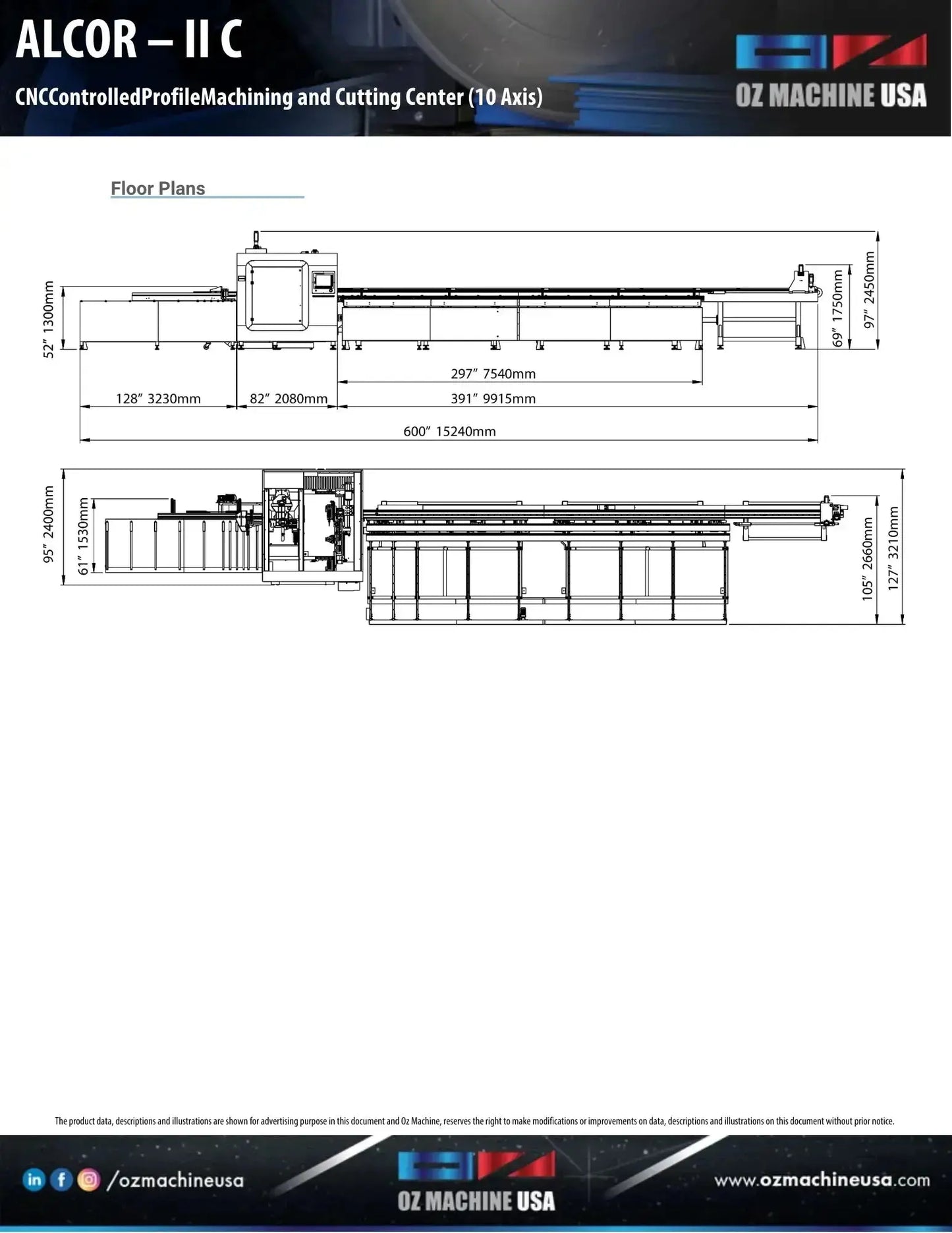
Automatic systems are designed for throughput, repeatability, and process control. In the right environment, they can materially improve output while reducing manual intervention and helping standardize quality across shifts. This becomes especially relevant for fabricators producing larger volumes of similar units or running a more structured production schedule.
The strongest case for automation is usually not speed alone. It is the combination of speed, consistency, reduced handling, and better integration into upstream and downstream fabrication flow. If cutting is holding up welding, machining, or assembly, then an automatic system can change the performance of the entire line rather than just one station.
Still, there are conditions. Automatic machines require stronger production discipline, adequate floor space, and operators or technicians who can manage setup, programming, and preventive maintenance properly. If the shop lacks process consistency, adding automation may expose those issues rather than solve them.
What matters most in a PVC cutting machine comparison
Machine type is only the start. The stronger comparison looks at how each option performs against your actual production requirements.
Cut accuracy and repeatability
For PVC fabrication, tolerance control is not optional. Poor repeatability creates trouble that often appears later at welding, corner cleanup, glazing, or final assembly. A machine that cuts fast but introduces variation is not helping production. It is just moving the problem downstream.
Look closely at clamping stability, feed control, blade quality, and machine rigidity. These factors affect whether the saw holds consistent results across long production runs, not just during a demonstration cut. If your shop produces higher-spec product or works with profile systems that leave less room for error, accuracy should carry more weight than headline cycle time.
Throughput in real conditions
Published cutting speed tells only part of the story. Real throughput includes loading, positioning, measurement, offloading, scrap handling, and setup between profile changes. A machine that appears slightly slower per cut may still deliver better daily output if it reduces stops, operator corrections, and rework.
This is why production supervisors should compare machine performance across a full shift, not a single cycle. Ask what happens when profiles change, when operators rotate, and when production schedules become less predictable. That is where true capacity shows up.
Profile range and application fit
Not every machine handles every profile with equal efficiency. Some saws are better suited to standard vinyl window production, while others are more adaptable across different profile shapes, wall thicknesses, and production demands. If your shop fabricates multiple systems or plans to expand its product mix, machine flexibility matters.
A narrower machine may still be the right choice if it is optimized for your core work. But if growth depends on broader capability, buying too tightly to current production can shorten the useful life of the investment.
Labor impact
Labor availability remains a practical concern for most manufacturers. In a PVC cutting machine comparison, the right question is not just how many operators a machine requires, but how much skilled attention it demands to maintain acceptable output.
A machine that depends heavily on an experienced operator can perform well until staffing changes. A more automated option may cost more upfront, but it can reduce the operational risk tied to training time, inconsistency, and turnover. This is especially relevant for shops trying to scale without becoming more fragile.
Maintenance and support
Downtime is where an attractive machine price can lose its appeal. Buyers should evaluate serviceability, parts availability, technical support, and how quickly issues can be resolved. In fabrication, support is not an extra. It is part of the machine package.
This is one reason local inventory and accessible service can matter. A supplier relationship with practical support behind it often has more long-term value than a lower price attached to slow response times or uncertain parts access.
Choosing the right machine for your shop size
For small fabrication shops, the best choice is often the one that improves consistency without overextending budget or floor space. That may be a well-built manual or semi-automatic saw with reliable clamping and accurate positioning. The goal at this stage is usually to control quality and create room for growth.
For mid-size operations, semi-automatic and entry-level automatic systems deserve closer attention. This is often the point where labor efficiency, scheduling pressure, and production flow start to justify a more significant upgrade. If cutting stations are regularly affecting downstream work, the cost of staying with a lower-capacity machine may already be higher than it seems.
For larger manufacturers or plants with repeatable order flow, automatic systems are generally easier to justify. At that scale, small efficiency gains multiply fast, and consistency across shifts becomes more valuable. The right system can support volume growth while improving process stability.
Cost versus return
Capital equipment decisions should not be reduced to purchase price. The stronger comparison looks at cost per usable cut, labor required per shift, expected maintenance, scrap reduction, and how the machine affects total production flow. A less expensive saw may still be the costlier option if it limits throughput or creates downstream defects.
Return on investment also depends on order profile. High-volume fabricators may recover the cost of automation quickly. Lower-volume or custom-heavy shops may see better value in a flexible mid-range machine that avoids overcapacity. It depends on whether the business problem is speed, consistency, labor, or a combination of all three.
A serious supplier should be able to discuss those trade-offs clearly. In many cases, the best buying decision comes from matching the machine to the next phase of production growth, not just to current workload.
If you are evaluating options, keep the conversation centered on output quality, labor exposure, and support after the sale. The machine on the floor has to perform in ordinary production, not just in a specification sheet.