A Florida Fabrication Financing Example That Works
A Florida fabrication financing example is most useful when it starts with the production problem, not the monthly payment. A window and door shop may be losing profitable work because its current saw creates cut variability, requires repeated handling, or cannot keep pace with incoming aluminum or PVC profile orders. Financing can turn that operational gap into a planned equipment purchase without forcing the business to drain working capital.
For fabricators, the question is rarely whether a new machine can improve production. The harder question is whether the added capacity, labor savings, and quality improvement can carry a predictable monthly obligation. The example below shows how to evaluate that decision using realistic operating assumptions rather than relying on equipment price alone.
Florida Fabrication Financing Example for a Growing Shop
Consider a Florida-based window and door fabricator that produces aluminum storefront frames, impact-rated windows, and patio door components. The shop has eight production employees and currently relies on an older manual cutting setup. Its operators are capable, but the workflow has become a bottleneck as order volume increases.
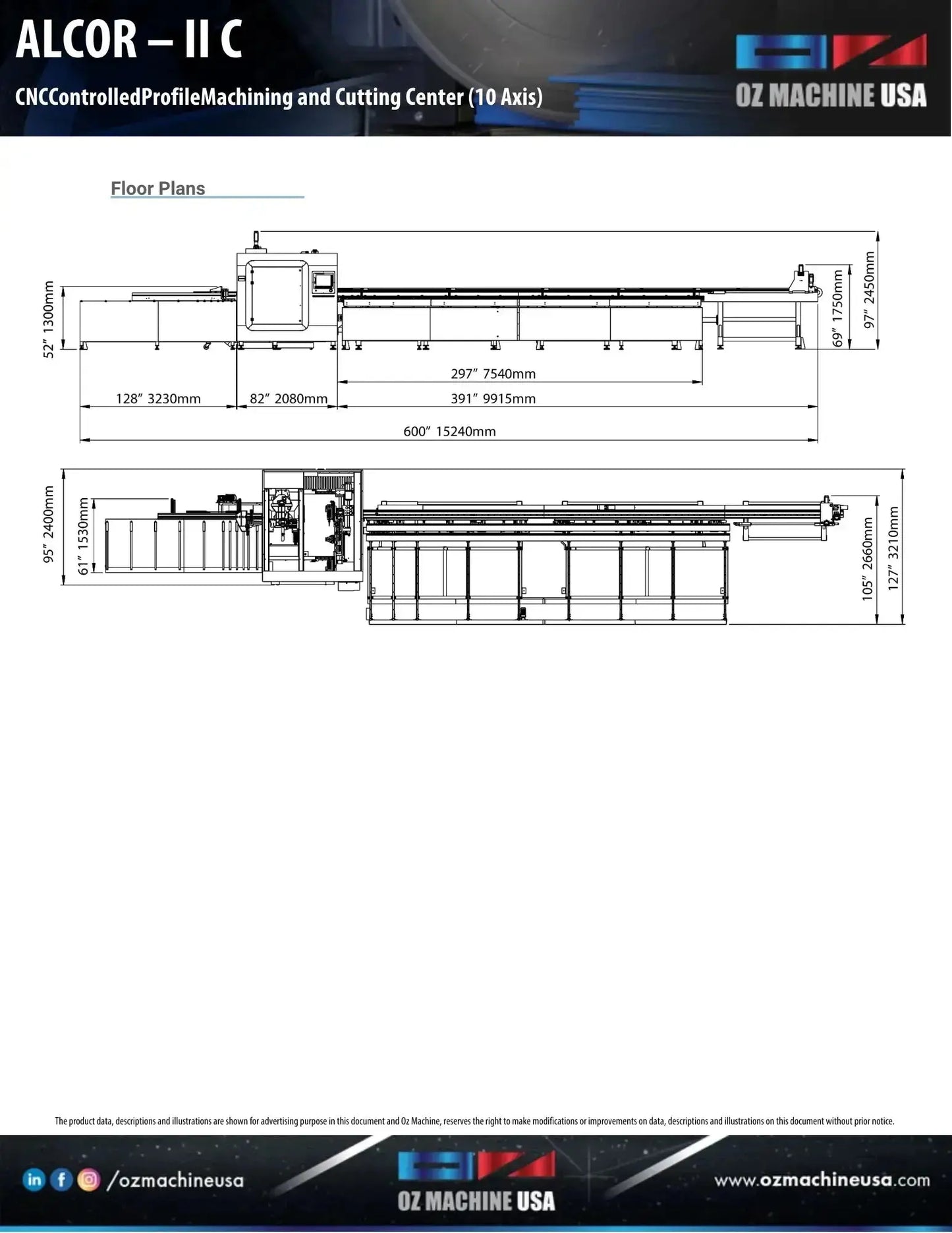
The owner is considering a new automatic saw and supporting tooling package with a total equipment cost of $96,000. The package is intended to improve cut repeatability, reduce manual measuring, and allow one operator to process more profiles per shift. The business wants to preserve cash for material purchases, payroll, freight, and installation-related costs, so it evaluates financing rather than paying the full amount upfront.
Assume the shop makes a 15% down payment of $14,400 and finances $81,600 over 60 months. For planning purposes only, assume the monthly payment is approximately $1,730. Actual payments, rates, documentation requirements, and terms will depend on the borrower, equipment, lender, and market conditions.
| Item | Example amount |
| --- | ---: |
| Equipment and tooling package | $96,000 |
| Down payment, 15% | $14,400 |
| Amount financed | $81,600 |
| Illustrative term | 60 months |
| Illustrative monthly payment | $1,730 |
That payment should not be judged in isolation. The shop needs to compare it against the measurable production value created by the new equipment.
Estimating the production impact
Before the purchase, two employees spend part of every day measuring, cutting, checking, and reworking profiles. The existing process also causes occasional scrap when an incorrect dimension reaches the assembly area. After reviewing several weeks of work orders, the owner estimates that the new setup could create value in three ways: fewer labor hours spent at the cutting station, less material waste, and more available capacity for higher-margin work.
If the machine reduces labor at the cutting station by 18 combined hours per week, and the fully loaded labor cost is $28 per hour, the estimated monthly labor capacity value is about $2,016. This does not necessarily mean an immediate headcount reduction. In a growing shop, it often means existing personnel can move to assembly, glazing preparation, quality checks, or other tasks that were previously delayed.
Next, assume better positioning and repeatable cuts reduce scrap and remake costs by $450 per month. The shop also estimates that faster profile processing allows it to accept an additional small commercial order or several residential packages each month. If that added work contributes a conservative $1,200 in gross profit per month, the production impact looks like this:
| Monthly improvement source | Estimated value |
| --- | ---: |
| Labor capacity recovered | $2,016 |
| Reduced scrap and rework | $450 |
| Additional gross profit from capacity | $1,200 |
| Total estimated monthly benefit | $3,666 |
| Less illustrative equipment payment | $1,730 |
| Estimated monthly operating gain | $1,936 |
The point is not that every machine will produce the same result. It will not. The point is that the financing payment should be tested against a specific production case. In this example, the monthly benefit exceeds the planned payment by roughly $1,936, leaving room for maintenance, training time, slower months, and normal variation in job mix.
What Makes This Financing Example Credible
A weak capital-equipment proposal says a new machine will make the shop “more efficient.” A credible proposal identifies where efficiency is currently being lost and how the machine changes the workflow.
Start with throughput. How many profiles, frames, or assemblies can the current operation complete in a shift? Where do jobs wait? If cutting is delaying fabrication or forcing overtime, an automatic or semi-automatic saw may provide a direct capacity benefit. If the real bottleneck is assembly, glazing, or material staging, a saw purchase alone may not deliver the expected return.
Then examine quality costs. In window and door fabrication, an inaccurate cut can create more than a scrap piece. It can interrupt an assembly sequence, delay an installation, consume supervisor time, and affect a customer deadline. Tracking remakes, offcuts, and rework for 30 to 60 days gives management a much better baseline than a general estimate.
Finally, separate revenue from gross profit. A machine may help the shop invoice more work, but financing should be supported by the contribution margin from that work after material, direct labor, and job-specific costs. Gross profit is what helps cover the equipment payment and strengthens the operation.
Choosing Terms That Protect Working Capital
The lowest monthly payment is not always the best financing structure. A longer term can improve monthly cash flow, but it may increase total financing cost. A shorter term can reduce total interest expense, but it may put unnecessary pressure on payroll, inventory purchases, or the deposits needed for large projects.
For a fabrication business, the right term depends on the equipment’s expected useful life, maintenance outlook, seasonality, and current backlog. A machine expected to support production for many years can justify a multi-year financing structure. However, a shop that has uneven commercial project timing may benefit from keeping a larger cash reserve rather than committing every available dollar to a larger down payment.
The down payment also deserves careful consideration. A larger down payment lowers the amount financed and can improve approval terms, but it should not leave the company short on operating funds. Aluminum, glass, hardware, PVC profiles, and payroll often require cash before a customer’s final payment is collected. Financing is valuable when it supports equipment growth while preserving the liquidity required to complete existing work.
Equipment Selection Still Comes First
Financing can make a purchase possible, but it cannot correct a poor equipment fit. The machine must match the materials, profile sizes, cut requirements, production volume, and operator skill level in the shop.
A smaller operation may benefit most from a dependable manual or upcut saw that improves accuracy and safety without adding unnecessary complexity. A shop with repeat production runs and a growing commercial backlog may need automatic cutting capability, optimized material handling, and tooling designed around its profile systems. The expected return changes substantially depending on which of those situations applies.
Before finalizing a purchase, production leaders should review the actual profiles being processed, typical cut lists, available floor space, power requirements, dust or chip management, loading and unloading needs, and service access. Training and technical support should also be part of the investment decision. Even well-built equipment will underperform if operators do not have a practical process for setup, calibration, material handling, and routine maintenance.
For Florida fabricators, local access to equipment demonstrations and support can be especially useful when comparing options. Seeing a machine process representative material helps confirm cycle time, cut quality, operator interaction, and the workflow changes required on the production floor. Sheffield Machinery Direct can help buyers evaluate machinery around the realities of window and door fabrication rather than a generic equipment specification.
Build a Conservative Approval Case
A lender may evaluate time in business, business and personal credit, financial statements, equipment type, and the amount being financed. Internally, the company should apply an equally disciplined standard. Build the payment analysis using conservative assumptions, not the busiest month of the year.
Use average monthly volume, a realistic labor-savings estimate, and a modest forecast for new capacity. Then stress-test the plan. What happens if the additional work arrives two months later than expected? What if material costs rise? What if the shop needs several weeks for operators to reach expected cycle times? If the payment remains manageable under those conditions, the financing structure is more likely to support growth instead of creating pressure.
A well-planned machinery purchase should give the shop more control over quality, scheduling, and capacity. When the payment is tied to verified production gains and protected by adequate working capital, financing becomes a practical tool for moving the operation forward on its own terms.