How to Automate Profile Handling in Fabrication
A saw can only produce as consistently as the material presented to it. When operators must lift, stage, measure, turn, and feed long profiles by hand, even a high-quality cutting machine spends too much of the shift waiting on the process around it. For window and door fabricators, the decision to automate profile handling is usually about correcting that imbalance: keeping material moving safely, accurately, and at a pace that supports the rest of the line.
The right handling system does more than reduce lifting. It establishes controlled flow from bundle storage to saw infeed, machining, assembly, or downstream sorting. That control can reduce cut variation, prevent surface damage, and give skilled operators more time for inspection, setup, and exception handling.
Why automate profile handling?
PVC, aluminum, wood, and composite profiles each create different material-flow challenges. Aluminum can be long, sharp-edged, and prone to cosmetic damage. PVC profiles can flex if unsupported. Wood and composite stock may vary in straightness, weight, or surface condition. In every case, manual handling introduces variables that are hard to standardize across shifts.
The cost is not limited to labor. A profile that is dragged across an unprotected rack, dropped onto a roller, or fed into a saw at an inconsistent angle can create scrap, rework, poor miters, and delays at assembly. Those losses become more visible as production volume rises.
Automated handling creates repeatable positioning before the cut cycle begins. A loader can separate stock, a magazine can stage the next piece, and a controlled infeed can present material at the correct height and orientation. The saw or machining center receives a more consistent input, which supports more consistent output.
Automation also improves the practical side of labor planning. It does not necessarily remove the need for an operator. Rather, it changes the role from continuous lifting and feeding to monitoring the cell, confirming material quality, handling changeovers, and responding to faults. For operations facing labor constraints or frequent overtime, that shift can make capacity easier to manage.
Start with the actual material path
Before selecting equipment, map how profiles move through the shop now. Follow one profile from receiving through cutting and identify every touchpoint. Include where bundles are broken down, where material is staged, who loads the saw, how offcuts are removed, and where finished parts wait for the next operation.
Many shops focus first on the cutting machine because it is the obvious production asset. Yet the bottleneck may be ten feet upstream. If an operator walks repeatedly to retrieve stock, measures each length manually, or waits for a forklift to clear a staging area, a faster saw alone will not deliver its rated output.
The process map should account for profile lengths, weights, widths, wall thicknesses, and finish requirements. It should also capture the production mix. A high-volume operation running a limited group of aluminum extrusions has very different needs from a custom fabricator changing between PVC, wood, and composite systems throughout the day.
Questions that determine the right level of automation
A useful review starts with cycle time, but it should not end there. Determine whether profiles arrive in consistent bundles or mixed stock; whether the line runs one profile family for hours or changes frequently; and whether downstream assembly can absorb additional cut parts without creating a new pileup.
Also assess available floor space. Long infeed and outfeed conveyors require more than a clear path in front of the saw. Operators need safe access for loading, maintenance, blade changes, and material verification. Forklifts and carts need routes that do not cross the operating zone unnecessarily.
Finally, consider software and controls. A handling system should support the way work orders are released on the floor. For some shops, simple length stops and controlled conveyors are sufficient. For higher-volume production, barcode scanning, cut-list optimization, automatic pusher positioning, and machine-to-machine communication can reduce data entry and material mistakes.
Build the cell around production needs
Profile automation is not a single product category. It is a group of equipment choices that must work together. A basic setup may use a manual loading rack and powered infeed rollers feeding an upcut saw. A more advanced cell may include bundle magazines, automatic loaders, programmable pushers, cross-transfer units, labeling, and controlled outfeed sorting.
The correct configuration depends on where labor and variation are concentrated. If loading long stock is the main issue, an infeed conveyor with a pusher system may provide the strongest return. If profiles are often scratched or mixed up after cutting, protected outfeed tables, part identification, and sorting may matter more than additional loading speed.
For aluminum fabrication, support spacing deserves close attention. Long extrusions need enough contact points to prevent sagging while avoiding rollers or guides that mark finished surfaces. PVC and composite profiles may require guides that prevent twisting or bowing as the pusher advances. The system should also manage short remnants safely rather than sending them into an area where they can bind or fall.
Integration with saw capacity is equally important. A handling system that feeds faster than the saw can cycle only shifts the wait time. Conversely, a high-speed automatic saw paired with a slow manual infeed leaves expensive capacity unused. The goal is balanced flow, not maximum speed at one station.
Protect accuracy at the source
Handling automation supports precision, but it does not replace machine setup and preventive maintenance. Worn saw blades, poor clamping, loose guides, and incorrect calibration will still affect finished parts. The advantage is that automated feeding removes some of the inconsistency that can hide these problems or make them worse.
Use fixed reference surfaces and reliable clamping to establish repeatable profile location. When the profile reaches the cut zone, it should be supported, held securely, and free from chips or debris that can alter its position. For miter cuts and multi-part assemblies, small variations at the saw can become visible gaps later in the process.
Plan for inspection points as part of the cell design. Operators need a practical way to confirm first-piece accuracy, check profile orientation, and isolate defective material without disrupting the entire line. A system that is technically automated but difficult to inspect can create faster scrap.
Measure the return beyond pieces per hour
Throughput is a valuable metric, but it is not the only one that matters. Evaluate the project using labor hours per unit, material yield, rework, operator safety exposure, machine utilization, and on-time performance. A handling upgrade may justify itself by improving several of these measures at once, even if the headline cycle-time gain is modest.
It is also wise to separate theoretical output from usable output. If the saw can process more profiles per hour but assembly, glazing, or shipping cannot keep pace, the immediate result may be more work-in-process. In that situation, automation should be phased or paired with improvements downstream.
Financing can help align the investment with the production gains, particularly when replacing aging equipment that creates frequent downtime. However, the equipment specification should be driven by the operating plan, not by a payment target. Buying more automation than the product mix can support adds complexity without a practical return.
Plan for installation, training, and service
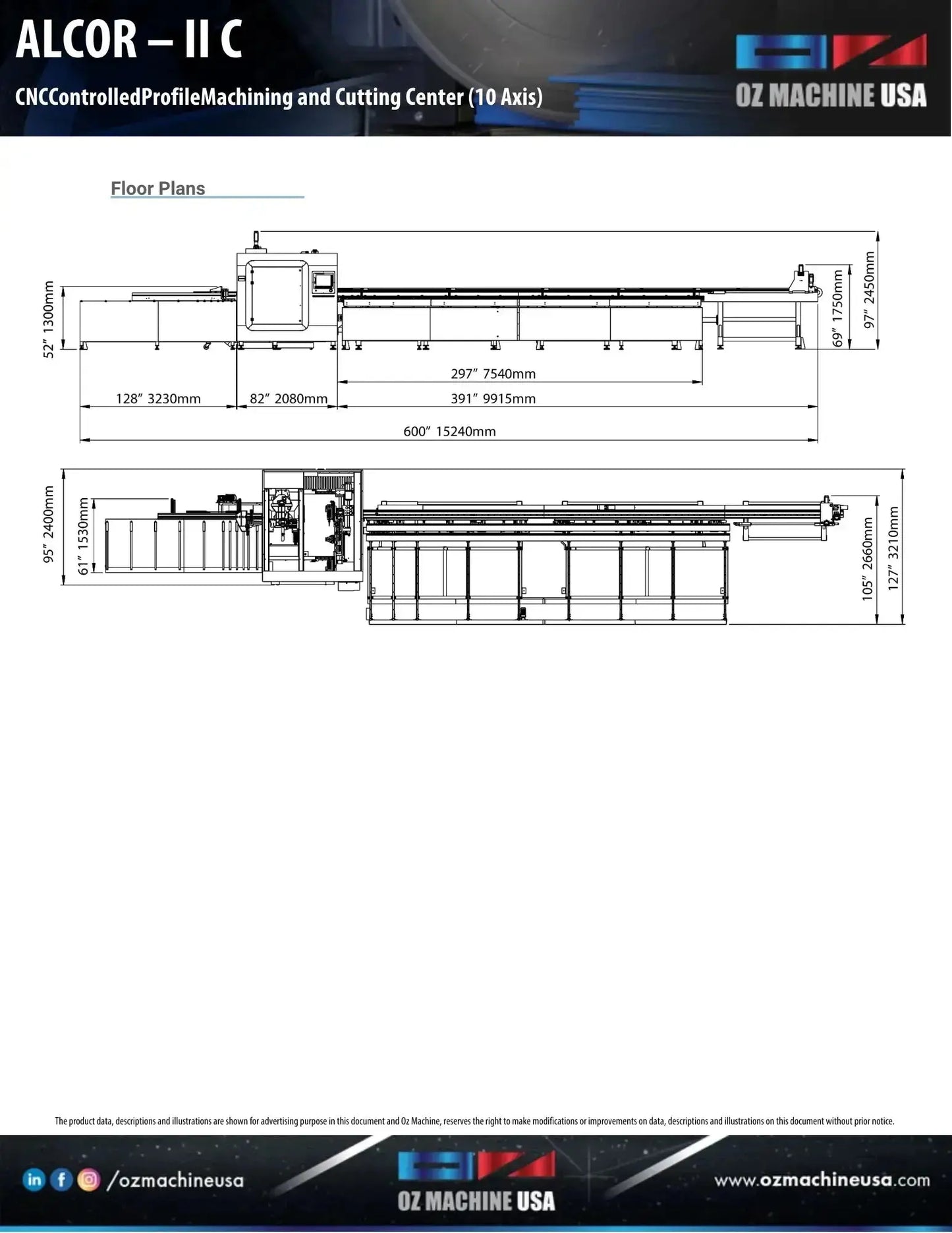
A successful implementation begins before delivery. Confirm electrical requirements, compressed air needs, guarding, dust or chip management, floor condition, and material access routes. If the cell handles long profiles, layout drawings should show the full travel path and safe operator clearances.
Training should cover normal operation, changeovers, fault recovery, daily checks, and safe manual intervention. Operators need to understand not only which buttons to press, but why a profile must be loaded in a particular orientation and when a damaged or bowed piece should be removed from production.
Service access should remain practical after installation. Sensors, rollers, guides, pushers, and guarding all require inspection. Local inventory and responsive technical support are especially valuable when a handling system is tied directly to a primary cutting operation. Sheffield Machinery Direct works with fabricators that need machinery decisions grounded in real production conditions, including the supporting equipment and service considerations that keep a cell productive.
The best time to automate is not when the shop is already overwhelmed. It is when production data makes the next constraint clear, and the equipment plan can turn that constraint into controlled, repeatable flow.