Aluminum Tooling for Accurate Profile Fabrication
A profile can be cut to length and still be wrong for production. Burrs at the cut face, a drifting miter, an undersized drainage slot, or a distorted screw port can slow assembly and show up later as fit, sealing, or finish problems. Aluminum tooling is what turns a capable saw or machining center into a repeatable fabrication process.
For window and door manufacturers, tooling decisions affect more than the appearance of a finished cut. They influence cycle time, operator intervention, scrap rates, hardware fitment, and how confidently a shop can take on more demanding system profiles. The right tool must match the material, the operation, the machine, and the production volume.
What Aluminum Tooling Covers in a Fabrication Shop
Aluminum tooling is a broad term. In profile fabrication, it commonly includes saw blades, end-milling cutters, drill bits, routing tools, punching tools, custom dies, clamping fixtures, and support accessories used to process aluminum extrusions. Each has a specific job, and each can become a production constraint when it is selected without regard to the profile geometry or machine capability.
Saw blades handle cut-to-length, miters, and compound angles. End mills and routing cutters prepare mullion connections, notches, slots, and hardware locations. Drills produce holes for fasteners, drainage, anchors, and accessories. Punching and custom die tooling can perform repeat features quickly where volume justifies the setup. Fixtures and clamps keep the profile stable so the cutting tool can do its work without vibration or movement.
The important point is that tooling should be treated as part of the production system, not as a replaceable commodity. A high-quality automatic saw cannot compensate for a dull blade, incorrect tooth geometry, or poor workholding. Likewise, a well-designed custom die will not deliver consistent parts if the profile is not located correctly at every cycle.
Start With the Profile and the Required Operation
The most useful tooling conversation begins with the part, not a catalog number. Review the alloy and temper, wall thickness, thermal-break construction, finish requirements, profile shape, and the features that must be machined. A thin-wall non-thermal profile behaves differently from a heavy commercial system with polyamide thermal breaks. Coated, anodized, or painted material also raises the standard for surface protection and edge quality.
Then define the operation precisely. Is the goal a square cut for a frame member, a 45-degree miter for a sash, an end-milled connection, or a series of repetitive hardware holes? Is the feature visible after assembly? Does it need to accept a specific fastener or mating component? Small details matter because a tool that produces an acceptable result on one profile may cause deflection, chipping, or excessive burrs on another.
Production volume should be part of the decision. A lower-volume custom job may be best served by flexible saw and machining-center tooling that can be changed quickly. A high-volume product line can justify dedicated punches, dies, stops, or fixtures that reduce cycle time and operator variability. The best choice is not always the fastest tool in isolation. It is the tool that delivers the required accuracy at the lowest practical cost per finished part.
Tool Geometry Has a Direct Effect on Cut Quality
For saw cutting, tooth count, tooth form, hook angle, blade diameter, kerf, and carbide grade all matter. Aluminum-cutting blades are designed to shear material cleanly while managing chips and limiting heat. An incorrect blade may cut, but it can leave a heavy burr, pull thin sections, create vibration, or shorten blade life.
Thin-wall profiles often need support and careful blade selection to prevent deformation at the exit side of the cut. Larger, heavier sections may require a blade and feed approach that can evacuate more material without loading the teeth. In either case, the blade must be appropriate for the machine's RPM range and arbor configuration.
For milling and routing, cutter geometry affects chip removal, finish quality, and heat generation. A tool that rubs instead of cutting will create heat quickly, potentially affecting the edge, coating, and tool life. Matching feeds and speeds to the cutter, machine rigidity, and profile design is necessary. Running slower is not automatically safer if it causes the cutter to dwell and generate excess heat.
Machine Compatibility Is Not Optional
Tooling must be compatible with the equipment that will carry it. Confirm arbor size, maximum blade diameter, spindle speed, collet or holder specification, available guards, clamping arrangement, and control-program requirements before purchasing. These details prevent expensive downtime and avoid improvised setups that compromise safety or accuracy.
A production team should also consider how the material is supported through the operation. Long profiles need adequate infeed and outfeed support. Miter cuts require stable positioning so the profile does not shift as the blade enters and exits. Milling and drilling stations need clamping that secures the profile without crushing thin walls or marking finished surfaces.
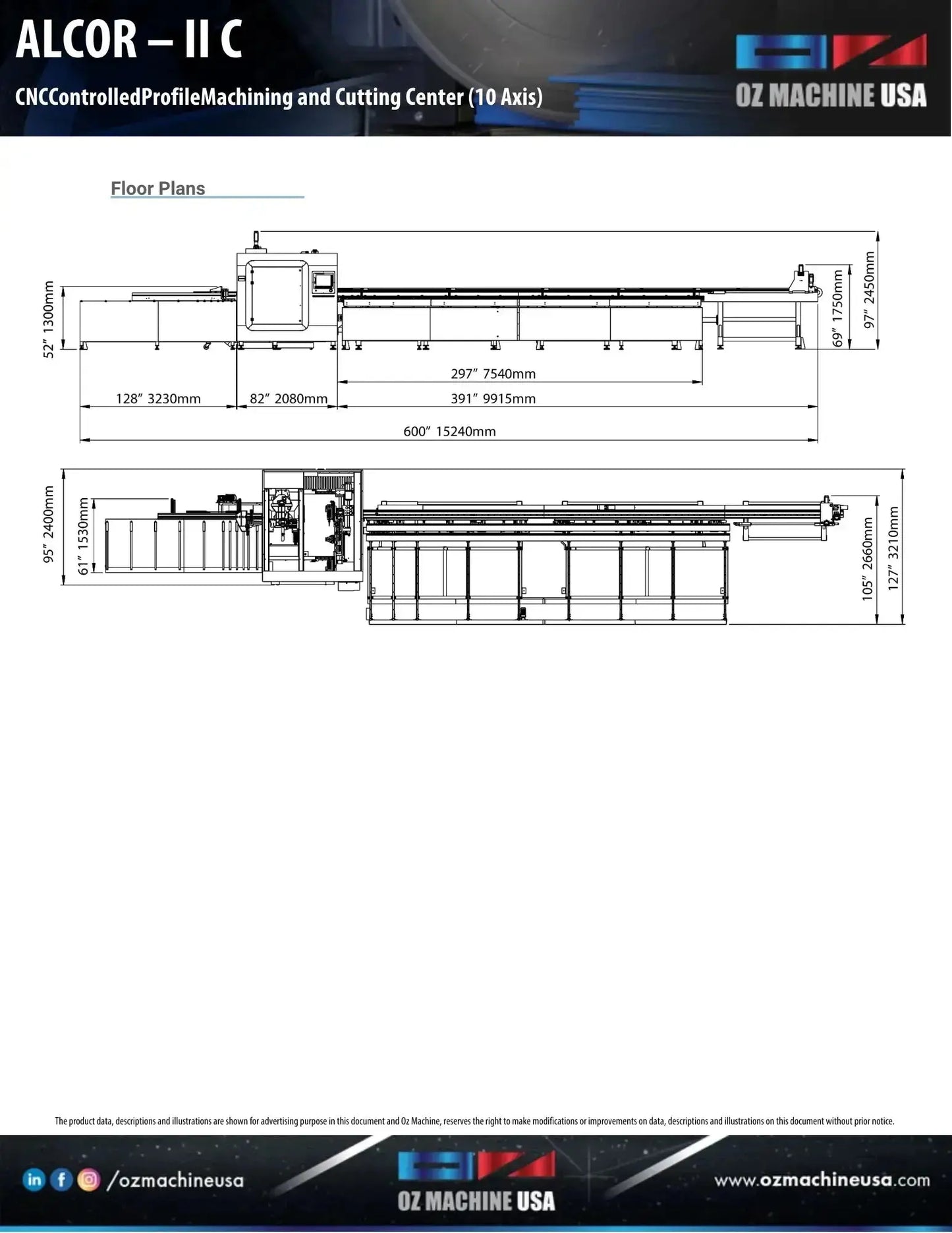
For shops adding capacity, tooling should be reviewed alongside machinery selection. An upcut saw, double-head saw, machining center, or automatic cutting line may offer very different opportunities for tooling standardization and cycle-time reduction. The machine purchase is only part of the investment. The production result depends on the tools, programming, workholding, material flow, and service support behind it.
When Custom Tooling Makes Business Sense
Standard tooling covers many routine operations, but custom tooling becomes valuable when a profile requires a unique shape, a repeated connection detail, or multiple features that can be combined in one operation. It can reduce setup steps, improve location accuracy, and make output less dependent on individual operator technique.
This is especially relevant for fabricators running proprietary window and door systems or managing repeat commercial packages. If an operator must measure, mark, reposition, and machine the same detail several times on every part, a dedicated fixture or die may pay for itself quickly. The calculation should include labor, rejected parts, setup time, and throughput, not just the quoted price of the tool.
Custom tooling is not automatically the right answer for every shop. Frequent profile changes, short runs, and evolving designs can favor flexible CNC machining and modular fixtures. The decision depends on whether repeatability and speed outweigh the loss of flexibility. A supplier with both machinery and in-house tool and die capability can help evaluate that balance before a shop commits.
Protect Tool Life Through Process Control
Tool wear rarely appears all at once. Cut quality gradually changes, operators apply more pressure, burr removal takes longer, and parts need more inspection. By the time a blade or cutter fails outright, the shop may already have absorbed avoidable labor and scrap costs.
A practical maintenance program tracks tools by operation and observes the finished feature, not just the number of cycles. Look for increasing burrs, rough cut faces, discoloration from heat, chipped coatings, changing hole quality, and dimensional drift. Establishing a baseline from a new or freshly serviced tool makes these changes easier to identify.
Chip management and lubrication also deserve attention. Aluminum chips can build up around cutting zones, interfere with clamps, scratch finished profiles, and affect tool performance. Where the operation and equipment call for it, the correct lubricant or misting approach can improve finish and extend tool life. It must be applied in a controlled way that suits downstream assembly, glazing, and finishing requirements.
Store blades, cutters, and dies so cutting edges are protected and tools can be identified easily. A good tool can be damaged before it reaches the machine if it is stacked carelessly or returned without inspection. Clear labeling by profile system, operation, and machine reduces setup errors and helps new operators follow proven processes.
Build Tooling Into the Production Plan
Tooling should be reviewed when quoting new work, introducing a profile series, purchasing machinery, or investigating recurring quality issues. Waiting until a job is already behind schedule usually leads to short-term fixes: an unsuitable blade is pushed harder, a worn cutter stays in service, or an operator creates a workaround that cannot be repeated consistently.
For fabricators in Florida and across the Southeast, local access to machinery support, tooling guidance, and available inventory can make a meaningful difference when production schedules are tight. Sheffield Machinery Direct works with window and door manufacturers that need equipment and tooling decisions aligned with real fabrication requirements, from straightforward cutting operations to more specialized profile processing.
The right tooling does not merely make aluminum easier to cut or machine. It makes the next part behave like the last one, gives operators a process they can trust, and gives the business a stronger foundation for profitable growth.