From Raw Slab to Finished Frame
From Raw Slab to Finished Frame: The Power of an Integrated Door Processing Center
In traditional manufacturing, a door is a traveler. It moves from the saw to the router, stops at the drill press, and eventually lands on a bench for manual hardware prep. Every hand-off is a chance for a measurement to slip, a corner to ding, or a deadline to pass.
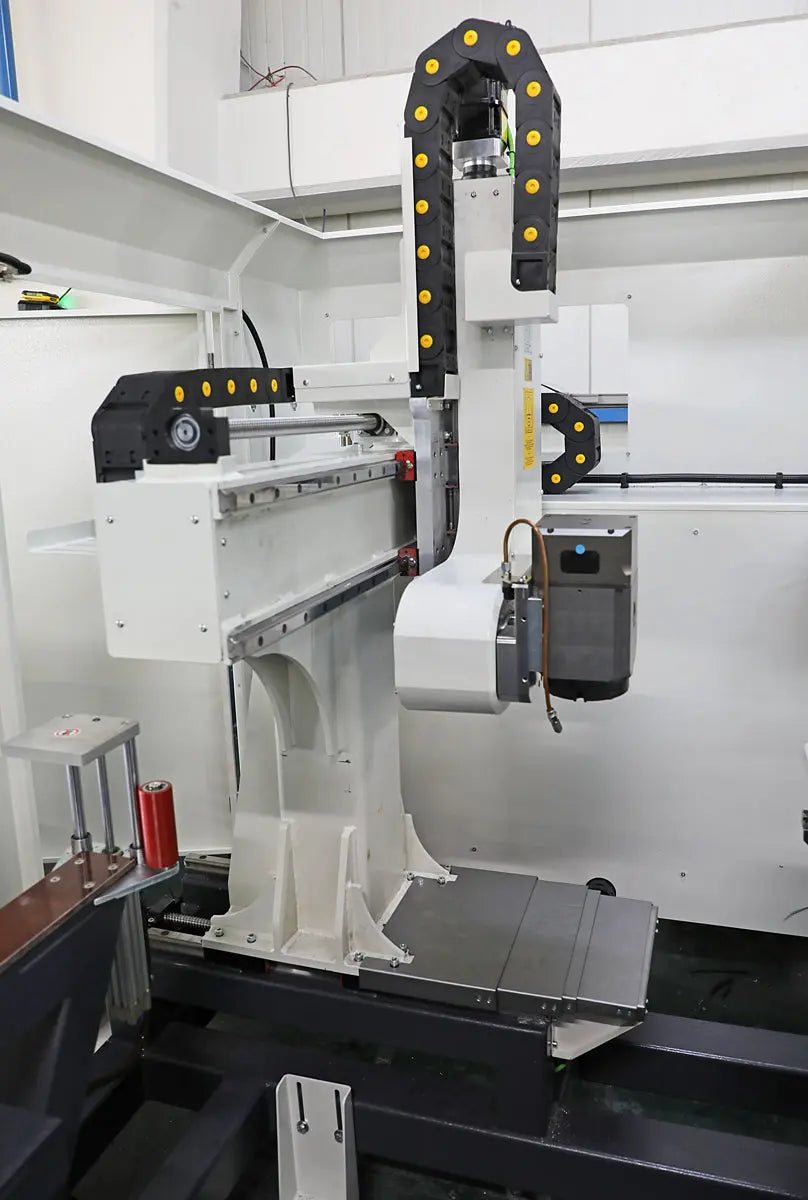
A CNC Door Processing Machine ends the "traveler" era. It transforms your shop floor from a series of disconnected stations into a single, seamless flow of high-precision output.
The "Single-Point" Production Advantage
The philosophy behind a dedicated door center is "one-touch manufacturing." By securing a door panel or frame in a single workspace, the machine performs a synchronized dance of high-speed operations:
- Zero-Error Mortising: Perfect pockets for locks, strikes, and hinges, calculated to the millimeter.
- Dynamic Sizing: High-torque spindles that trim and profile wood, PVC, or aluminum with surgical clean edges.
- Complex Detailing: Decorative v-grooving and functional routing performed in a single cycle.
- Hardware Ready: Precision-drilled pilot holes that ensure every screw bites exactly where it should.
Why Your Current Workflow is Costing You Money
If your production line feels like a series of "stop-and-go" hurdles, you aren't just losing time—you're losing margin. Here is how a dedicated processing center solves the most common shop-floor headaches:
| The Old Problem | The CNC Solution |
| Setup Fatigue | Digital templates load in seconds. No more manual jigs. |
| Stacking Errors | One-time clamping ensures X, Y, and Z coordinates never shift. |
| Material Waste | Advanced nesting and path optimization save every inch of stock. |
| Skill Gaps | The "brain" is in the software, allowing your team to focus on quality control. |
Versatility Across the Spectrum
Whether you are building high-end residential mahogany doors or industrial-grade aluminum fire exits, the machine adapts instantly. Modern systems use intelligent spindle control, automatically adjusting RPM and feed rates based on the density of the material. This means no scorching on hardwoods and no burrs on aluminum.
The Modern Checklist: What Actually Matters?
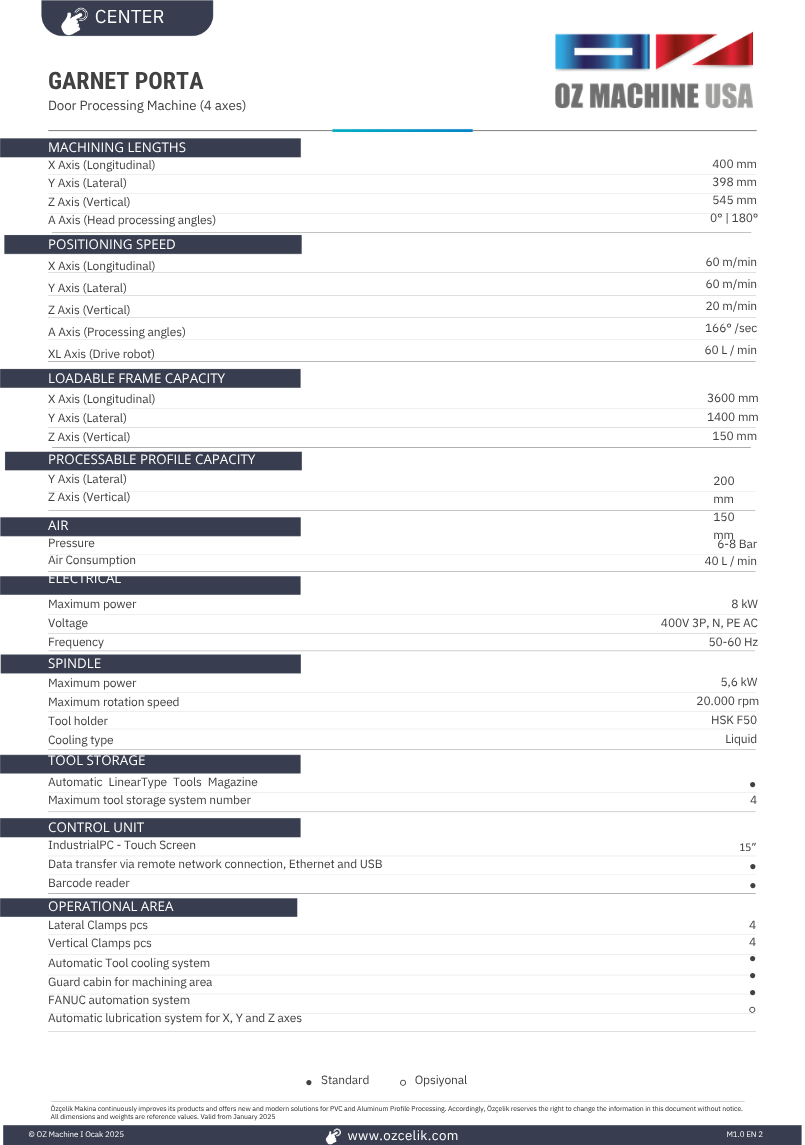
If you’re comparing models, ignore the flashy paint and look at the "under-the-hood" specs that actually drive ROI:
- Independent Vertical & Horizontal Spindles: Can the machine work the face and the edge of the door simultaneously?
- Vacuum Pod Versatility: Look for a "pod and rail" system that can be rearranged for non-standard door sizes (like oversized pivots or narrow sidelights).
- Real-Time Diagnostics: Does the controller alert you before a tool breaks? Predictive maintenance is the secret to 99% uptime.
- Software Interfacing: The machine is only as good as the code it receives. Ensure it integrates with your existing ERP or design software.
The Bottom Line: Scalability
A Door Processing Machine isn't just an equipment upgrade; it’s a business strategy. It allows you to take on high-volume commercial contracts and high-detail custom orders at the same time, without adding a second shift.