Vinyl Plant Expansion Case Study for Growth
A vinyl plant expansion case study is most useful when it looks beyond the equipment purchase. For a window and door fabricator, adding capacity affects material flow, labor assignments, cut accuracy, floor space, delivery commitments, and cash flow. The right expansion plan does not simply add a faster saw. It removes the constraint that is holding the entire production line back.
This representative case follows a growing PVC window and door fabricator facing a common problem: orders were increasing, but the existing cutting area could no longer support reliable lead times. The plant had capable employees and steady demand, yet its production process depended too heavily on manual handling and a single aging saw.
The Capacity Problem Was Not Just the Saw
The operation produced vinyl window and door frames for residential and light commercial projects. It had built a solid regional customer base through consistent fabrication quality, but volume had risen faster than the plant's equipment layout could support.
Its primary cutting station was a manual saw that required frequent measurement, profile repositioning, and operator judgment. The machine could make acceptable cuts when operated by an experienced employee, but its pace created a growing queue upstream of welding and assembly. When the lead operator was absent, output and consistency both declined.
Management initially described the issue as a need for "more production." A closer review showed three separate constraints. First, cutting capacity was limited during peak order periods. Second, repeatability varied between operators, creating occasional fit-up issues at welding. Third, operators spent too much time moving profiles, checking dimensions, and staging cut parts instead of producing finished units.
The plant did not need to automate every process at once. It needed to improve the point where work was accumulating and where inconsistent cutting could affect every downstream operation.
Vinyl Plant Expansion Case Study: Setting the Investment Scope
Before selecting machinery, the fabricator reviewed its actual order mix. This is a critical step because a machine that looks efficient on a specification sheet may not match the profiles, lengths, cut angles, or daily volume a plant handles.
The team documented average daily footage, common frame sizes, peak-season demand, profile types, scrap causes, and the time spent per cut. They also mapped the flow from profile storage through cutting, reinforcing, welding, cleaning, glazing, and final staging. The review confirmed that the cutting department was restricting output, but it also showed that the new machine would need adequate infeed and outfeed space to avoid moving the bottleneck a few feet down the line.
The plant selected an automatic upcut saw configuration designed for repeatable length positioning and higher-volume PVC profile processing. The decision was not based solely on maximum cycle speed. The machine had to provide clean, square cuts; accommodate the company's standard profile range; fit within the available floor plan; and remain practical for operators to set up and maintain.
A fully automated line might have delivered additional throughput, but it was not the right first investment. The plant's demand forecast supported a significant increase in cutting capacity, not a complete redesign of every fabrication cell. Choosing the appropriate level of automation preserved capital for tooling, material handling, training, and future expansion.
Planning the Floor and Material Flow
Equipment placement determined whether the investment would produce the expected return. The old saw had been positioned where it fit years earlier, not where it best supported the current workflow. Long PVC profiles were carried through a congested area, cut parts were stacked temporarily on carts, and operators regularly crossed paths with material handlers.
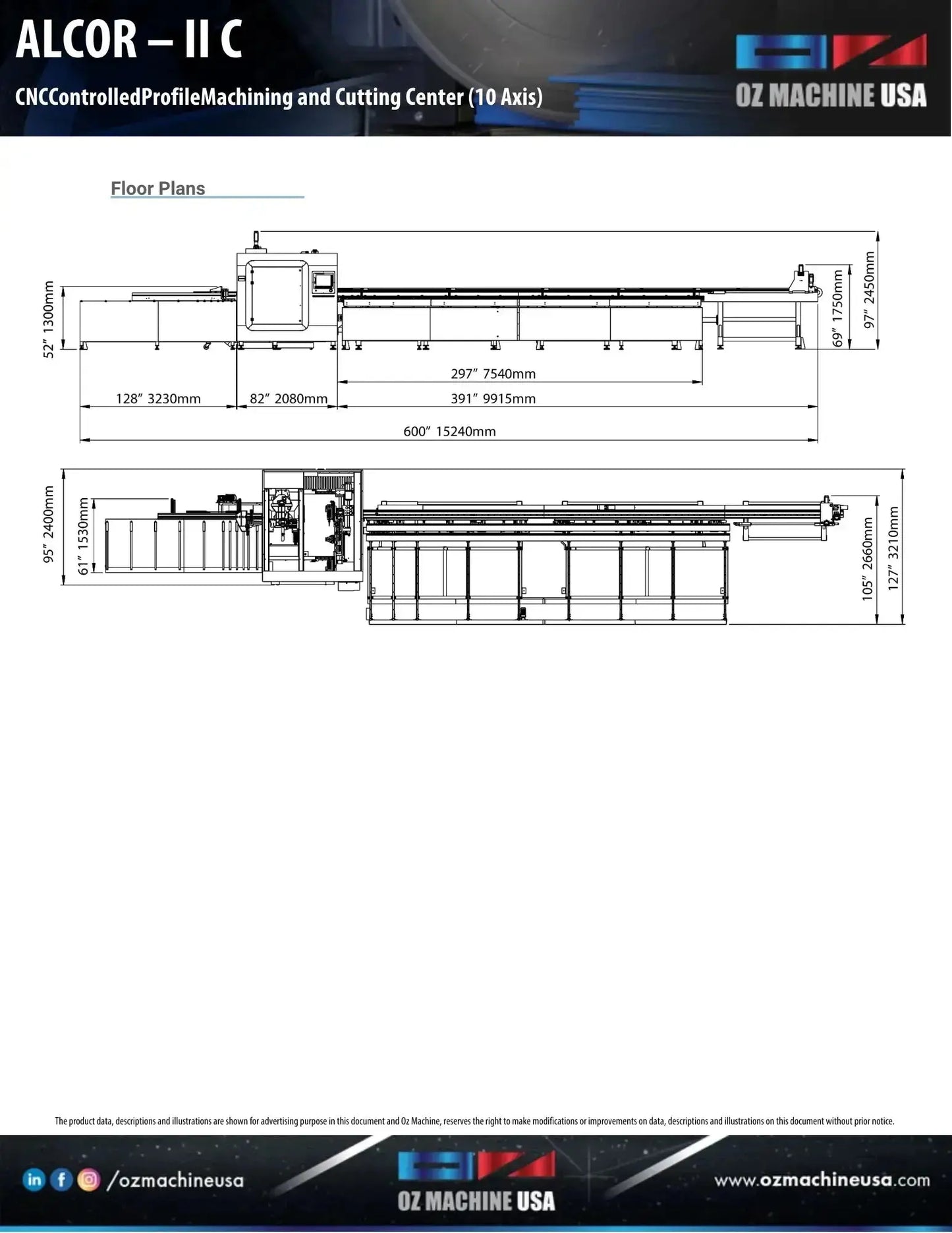
For the expansion, the fabricator created a dedicated cutting zone with profile storage feeding directly into the saw area. Infeed and outfeed supports were planned around the lengths most often processed. Cut components could then move to labeled staging locations by order or production batch, reducing the chance of mixed parts and unnecessary searching at welding.
The layout also considered service access. A machine should not be installed so tightly against a wall or another station that routine maintenance becomes difficult. Space for blade changes, calibration, cleaning, and troubleshooting protects uptime over the life of the equipment.
Safety was part of the plan rather than an afterthought. Clear travel paths, organized profile storage, stable material supports, and proper operator working space reduced the daily risks associated with handling long stock. These details may not appear in a simple capacity calculation, but they affect how consistently a plant can operate.
Results Came From Repeatability and Labor Reallocation
After installation and operator training, the fabricator did not immediately eliminate labor from the cutting department. Instead, it reassigned labor more effectively. One experienced operator took responsibility for saw setup, quality verification, and production scheduling at the cutting cell. Other employees who had spent much of their day measuring and manually positioning stock were moved to downstream work where demand had increased.
The automatic saw improved length consistency and reduced the number of adjustments required across repeated parts. That supported better fit-up at welding and reduced the time spent correcting problems before assembly. Scrap did not disappear entirely, because material defects, damaged stock, and setup errors can still occur, but cut-related rework became less frequent.
The larger gain was predictability. The plant could release a batch to cutting with greater confidence that the required parts would reach welding in the expected sequence and within the planned time window. That made it easier for supervisors to schedule labor, commit to delivery dates, and identify issues before they affected the entire day's work.
Capacity increased, but the exact percentage depended on the mix of product sizes, required cuts, operator practices, and how well materials were staged. This is why buyers should be cautious about broad throughput claims. A saw's rated speed is only one part of plant performance. Setup time, profile handling, blade condition, maintenance discipline, and downstream capacity all influence the real result.
Financing and Phased Growth Kept the Project Practical
The fabricator treated the purchase as an operating decision, not simply a capital expense. Management compared the projected machine payment, installation costs, tooling requirements, and training time against expected gains in output, labor allocation, scrap reduction, and delivery performance.
Financing played a useful role because it allowed the business to preserve working capital for vinyl inventory, payroll, and seasonal demand. For a growing manufacturer, paying cash may be appropriate in some cases, but it can also strain the resources needed to support the additional production volume. The right structure depends on order visibility, margins, existing debt, and the condition of the rest of the equipment line.
The expansion was also phased. The first stage addressed cutting capacity and material flow. The second stage, planned after performance data was reviewed, would evaluate additional support at welding or cleaning if those areas became the next constraint. This approach avoided buying equipment ahead of demonstrated need while keeping a clear path for growth.
What Other Vinyl Fabricators Can Take From This Case
The central lesson is that an expansion should begin with a production diagnosis, not a catalog comparison. A new saw can be a high-value investment when it addresses a verified bottleneck, fits the profiles being processed, and is supported by a workable material-handling plan.
Fabricators should also look at service and support before committing. Equipment availability matters, but so do installation guidance, operator training, replacement parts, tooling knowledge, and responsive technical assistance. A machine that sits idle waiting for answers can quickly erase the value of a lower purchase price.
For Florida and Southeast manufacturers, access to local inventory and a showroom can make the evaluation process more practical. Seeing machinery, discussing profile requirements, and reviewing workflow details with a supplier can prevent costly assumptions. Sheffield Machinery Direct supports this kind of equipment decision with machinery options, tooling capability, financing support, and fabrication-focused service.
The best next step is to measure where work waits in your plant. If cutting is creating the queue, document the volume, labor time, profile mix, scrap, and floor constraints before selecting equipment. A well-scoped expansion gives a vinyl fabricator more than a new machine - it gives the operation a controlled way to grow without sacrificing the precision customers expect.