Top Equipment for Vinyl Fabrication
If your vinyl line is still relying on workarounds between cutting, routing, welding, and cleanup, equipment gaps are already showing up in your margins. The top equipment for vinyl fabrication is not just about adding machines. It is about building a process that holds tolerances, keeps throughput predictable, and reduces rework across window and door production.
For most fabricators, the right equipment mix depends on profile volume, product complexity, labor availability, and how much variation runs through the shop. A small operation building standard units has different needs than a plant managing multiple series, colors, and reinforcement requirements. Still, the same core categories matter across the board.
Top equipment for vinyl fabrication starts with cutting
Cut quality sets the tone for everything downstream. If profile cuts are inconsistent, out of square, or rough, those problems move directly into welding, corner cleanup, hardware fit, and final assembly. That is why saw selection is usually the first serious equipment decision in a vinyl shop.
A manual saw can still make sense for low-volume production, prototyping, or backup capacity. It gives operators flexibility and keeps capital costs lower. The trade-off is consistency and throughput. Manual cutting depends heavily on operator technique, and cycle times rise fast when order complexity increases.
As volume grows, automatic saws and upcut saws become much more valuable. These machines improve repeatability, reduce handling time, and support cleaner, more accurate cuts on PVC profiles. In higher-output environments, automation also helps reduce bottlenecks created when one cutting station feeds multiple downstream operations. If your production schedule is often waiting on cut parts, the saw is usually where capacity needs to be addressed first.
The practical question is not whether automation is better in theory. It is whether the gain in output, material yield, and labor efficiency offsets the investment. In many window and door shops, it does.
Routing and machining equipment for vinyl profiles
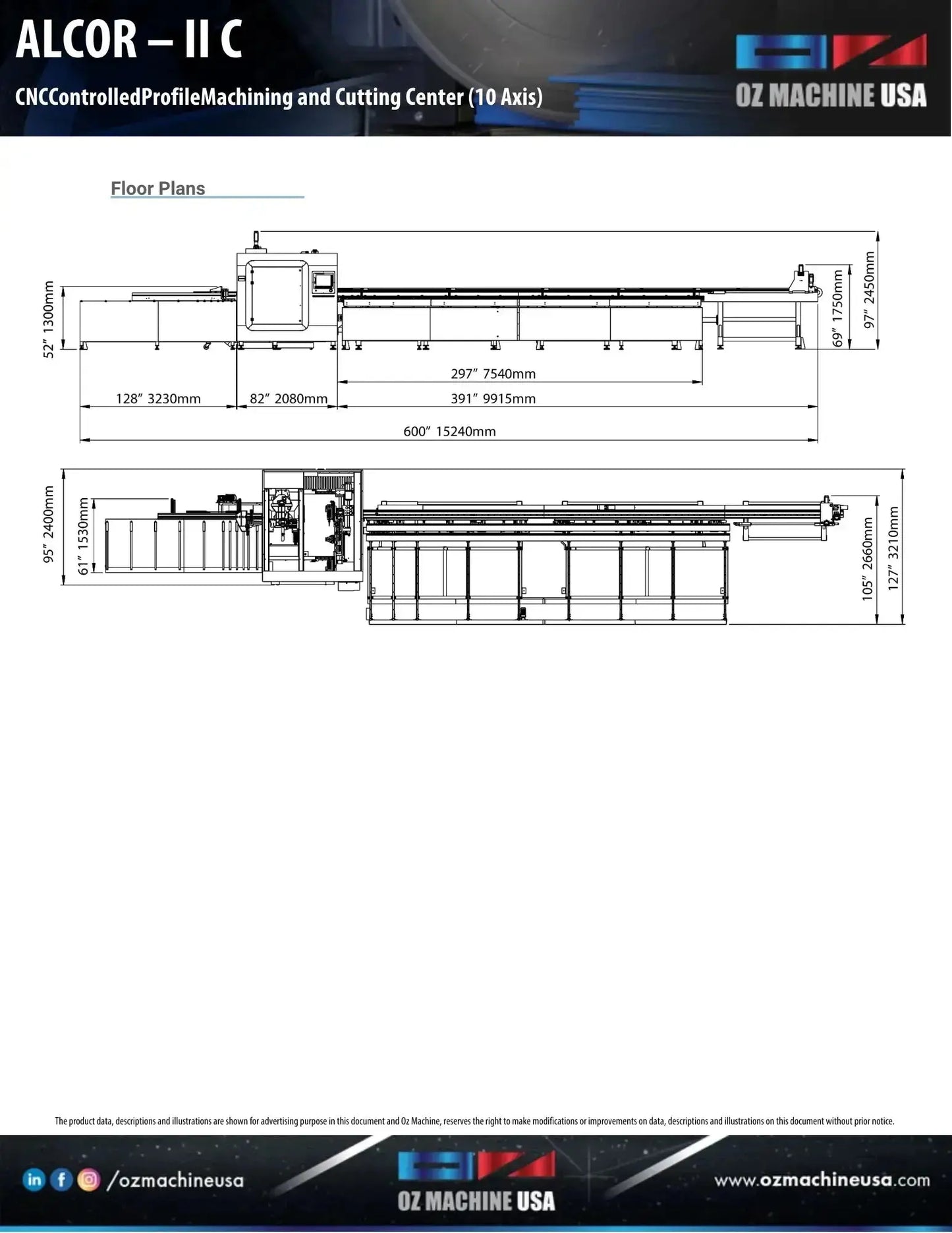
Vinyl fabrication is not limited to length cuts and mitered corners. Once profiles are cut, they often need drainage slots, hardware prep, handle locations, lock provisions, and other profile-specific machining. This is where routing and machining equipment plays a direct role in both accuracy and production speed.
In lower-volume shops, dedicated routers or copy routers may be enough for repeatable machining tasks. They are often a good fit when product lines are stable and machining requirements do not change often. The limitation is flexibility. If your shop is running a wider mix of systems, setup time and manual positioning can slow the line down.
More advanced machining centers help reduce those interruptions. They support consistent feature placement, improve repeatability, and reduce operator dependence on manual measurement. That matters when hardware fit and drainage performance need to stay consistent from unit to unit. It also matters when labor is hard to replace. A machine that simplifies setup and reduces the chance of error can be more valuable than one that only posts a faster cycle time on paper.
Reinforcement processing matters more than many shops expect
For many vinyl systems, steel reinforcement is part of the structural equation. That means the equipment plan cannot stop at PVC profile processing alone. Reinforcement cutting and preparation need to fit the overall workflow.
If reinforcement is cut separately with poor coordination to the main line, operators end up chasing parts, correcting length errors, or creating assembly delays. Dedicated cutting equipment for reinforcement can tighten that process and reduce confusion at assembly. It is not the most visible machine on the floor, but it often has a direct effect on line balance.
Welding equipment is where precision becomes visible
Customers do not see your cutting department, but they see the finished corner. Welding quality is one of the clearest signs of whether a vinyl fabrication line is under control.
Single-head welders may be enough for smaller operations or custom-heavy production, especially where batch sizes stay limited. They offer flexibility and a lower entry cost. But for shops pushing higher volume, multi-head welders make a significant difference in output and consistency. Simultaneous welding reduces handling and shortens cycle time while helping keep corners uniform across production runs.
The bigger issue is not just speed. It is process control. Proper heat, pressure, and timing all affect weld integrity and corner appearance. Inconsistent welding can create cleanup problems, weak joints, or cosmetic defects that cost time later. When fabricators talk about reducing scrap and rework, welding equipment is often part of that conversation.
A welder should also match the type of work you actually run. If the business is built around standard window sizes and repeated configurations, a more automated welding setup often pays off. If jobs change constantly and customization drives the schedule, flexibility may matter more than maximum throughput.
Corner cleaning equipment keeps the finish consistent
After welding, cleanup determines how polished the final frame looks and how much labor is required to get there. Shops that still rely heavily on manual corner finishing often feel that cost in labor time, variability, and operator fatigue.
Automated corner cleaning equipment improves consistency and shortens one of the more labor-intensive parts of vinyl fabrication. It also helps standardize appearance across shifts and production batches. That can be especially important for fabricators producing finished units where visual quality has a direct effect on acceptance and warranty exposure.
Manual cleanup still has a place in some operations, particularly for lower volume, specialty profiles, or touch-up work. But when a shop starts missing delivery windows because too much labor is tied up in post-weld finishing, that is a sign the cleanup stage needs equipment attention.
Assembly tables and material handling are not secondary equipment
Fabricators sometimes focus on the major machines and overlook the stations between them. That is a mistake. Material handling, support tables, and assembly workstations have a measurable effect on throughput, part protection, and operator efficiency.
A well-designed layout reduces unnecessary motion, supports safer handling of frames and sash components, and helps keep production flowing from machining through final assembly. Poor handling practices lead to surface damage, misplacement of parts, and wasted labor. Those losses are easy to normalize because they happen in small increments. Over time, they are expensive.
The top equipment for vinyl fabrication includes these support systems because they influence how well the major machinery performs in real production. A fast saw feeding an inefficient layout does not deliver the result most buyers expect.
Software and optimization tools support better machine performance
Not every productivity gain comes from a larger machine. Software that supports cut optimization, job tracking, and production planning can improve the value of the equipment already on the floor.
Cut optimization helps reduce waste and improve material usage, especially when profile costs are climbing. Production tracking helps managers see where jobs are slowing down and whether downtime is tied to a machine, an operator process, or poor scheduling. For growing operations, this visibility becomes more important as volume increases.
The key is integration with actual shop activity. Software is useful when it reduces errors, improves scheduling, and gives decision-makers better control over output. It is less useful when it adds administrative work without helping the line move.
How to prioritize top equipment for vinyl fabrication
The best buying sequence usually follows the biggest operational constraint. If cutting is inconsistent, start there. If welding or corner cleanup is limiting output, address that stage before adding capacity elsewhere. If labor shortages are creating variability, look for equipment that reduces dependence on manual precision.
It also helps to evaluate equipment in terms of system fit rather than individual specs. A machine may look impressive on its own and still be the wrong purchase if it does not align with your throughput, profile range, staffing, or service expectations. Buyers in this market are not just purchasing horsepower. They are investing in uptime, repeatability, and support.
That support piece matters more than many first-time buyers expect. Installation, training, parts access, and service response all affect how quickly equipment starts generating return. For operations in Florida and the Southeast, local stock and showroom access can make evaluation and support more practical, especially when lead times or downtime are a concern.
A good equipment plan should leave you with fewer handoffs, fewer corrections, and more confidence in daily output. When a vinyl fabrication line is built around the right cutting, machining, welding, and finishing equipment, production stops feeling reactive and starts becoming easier to scale. The right machine is not always the biggest one on the floor. It is the one that solves the problem your operation keeps paying for every day.