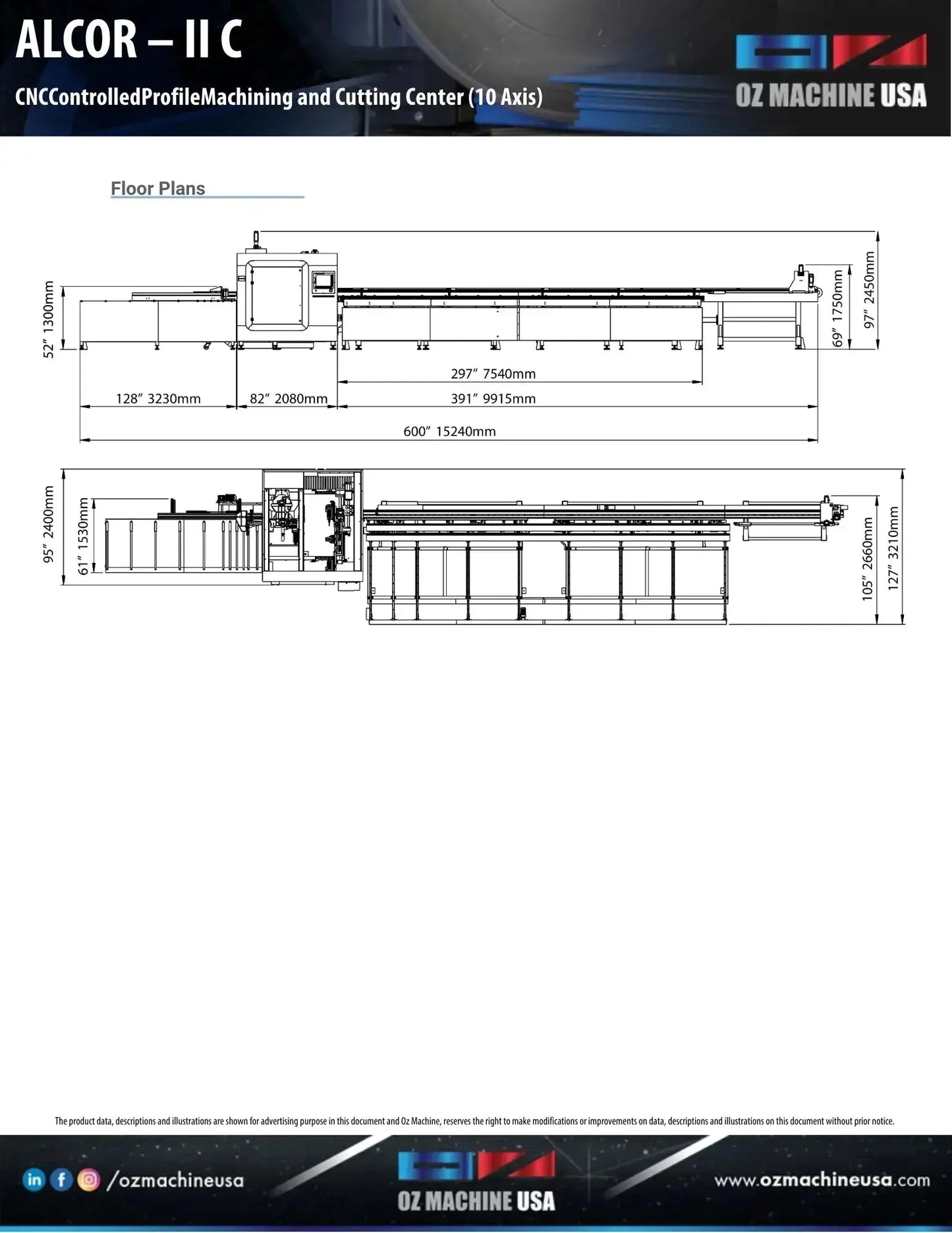
Profile Router Review for Window Fabrication
A profile router can remove a recurring bottleneck from a window or door line, but only when its capacity matches the profiles, hardware operations, and daily output of the shop. This profile router review focuses on the factors that affect production after installation: routing accuracy, operator setup time, material control, tooling access, and support when the machine is needed most.
For PVC, aluminum, wood, and composite fabricators, a profile router is rarely purchased for one hole or one slot. It is purchased to make drainage paths, lock and handle preparations, hinge work, mullion operations, and other routed details more consistent than manual methods allow. The right machine reduces variation between operators and keeps downstream assembly from compensating for inaccurate machining.
What a Profile Router Should Deliver
The basic purpose is simple: hold a profile securely and guide a cutter through repeatable routing operations. The buying decision becomes more complex because profile geometry, wall thickness, reinforcement, hardware systems, and required tolerances vary widely between fabrication programs.
A well-specified profile router should provide stable workholding, a spindle suited to the material and cutter diameter, clear positioning references, and enough access around the work area for practical loading and unloading. For shops routing aluminum, rigidity and clamping control deserve particular attention. A machine can have adequate motor power yet still produce poor work if a thin-wall extrusion moves during the cut.
For PVC operations, the concern is often repeatable placement across high volumes, especially when routing drainage slots or hardware preparations. Wood and composite profiles introduce another variable: dust extraction. Chips and dust left around reference surfaces can affect placement, slow operators, and create unnecessary cleanup between cycles.
The best result is not simply a clean routed opening. It is a process that produces that opening accurately across an entire run without forcing operators to measure, re-clamp, or rework parts.
Profile Router Review: The Features That Matter
Spindle power and speed range
Spindle power should be evaluated against the actual routing work, not the highest number shown on a specification sheet. Light drainage and small hardware slots require less power than deep aluminum milling or larger cutter diameters. Too little power can lead to chatter, heat buildup, premature cutter wear, and a finish that requires hand correction.
Speed also matters. Higher RPM is not automatically better for every profile material or cutter. The proper cutter speed depends on the operation, feed rate, chip load, and whether the profile is aluminum, PVC, wood, or composite. A supplier that understands fabrication should be able to discuss the intended tooling package with the router rather than treating the machine as a stand-alone purchase.
Clamping and profile support
Clamping is one of the most important areas in any profile router review. Pneumatic clamps save time and can improve repeatability, but the clamp design must suit the profile shape. Pressure applied in the wrong area can distort a PVC profile, mark finished surfaces, or allow an aluminum section to shift under load.
Look at the full support arrangement, not just the number of clamps. Long or flexible profiles may need additional support points. Deep frames, sash sections, thermal-break aluminum, and profiles with irregular external geometry may require dedicated fixtures or adjustable support elements. If the machine will process multiple systems, confirm how long changeover takes and whether stops, templates, or fixtures can be set consistently.
Table layout and operator access
A machine that is technically capable can still restrict output when the table is awkward to load or the operator must reach around guards and clamps for every cycle. The router should fit the direction of material flow in the shop. Consider where cut profiles arrive, where completed parts are staged, and how often an operator needs to change tooling or adjust stops.
For repetitive operations, clearly marked positioning references are valuable. They reduce dependence on individual operator judgment and make training easier. For low-volume custom work, a more flexible table arrangement may be worth more than a dedicated setup designed around one profile family.
Accuracy, stops, and repeatability
Routing accuracy is more than spindle runout. It includes the relationship between the cutter, the profile datum, the clamp position, the locating stops, and the operator's method. A router with a precise spindle cannot correct a setup that references from inconsistent surfaces.
Ask how the machine establishes position for common operations. Mechanical stops, templates, manual positioning scales, and digital readouts each have a place. Mechanical stops are fast and dependable for repeated work. Digital positioning can be useful for varied job schedules, but it adds a layer of setup discipline. The right choice depends on production mix and who will run the equipment.
Where Profile Routers Fit in a Production Line
A profile router is often compared with a CNC machining center, but the two machines solve different problems. A CNC center can consolidate many operations and provide high flexibility, especially for complex or frequently changing work. It also carries a higher capital cost, requires programming discipline, and may not be the most efficient choice for a small set of repeated routing operations.
A dedicated router can be the more practical investment when a shop needs fast, predictable processing of standard details. It is generally easier to train on, quicker to cycle through simple operations, and well suited to a work cell where profiles are already cut to length. Many growing shops use both: a profile router for high-frequency tasks and CNC capacity for complex fabrication or broad product variation.
Manual routing methods may still be appropriate for limited custom work, repair production, or occasional special parts. Once the same routing operation appears repeatedly, however, the cost of inconsistency becomes visible in rework, assembly delays, hardware alignment issues, and rejected finished units.
Questions to Ask Before You Buy
Before selecting a router, define the operations that consume the most time today. Bring sample profiles, drawings, and hardware details into the conversation. A useful machine review should account for the actual sections being fabricated, including reinforcement, finishes, and any special clamping concerns.
It is also worth examining the complete ownership picture. Initial price matters, but so do cutter availability, replacement parts, air requirements, electrical service, guarding, training, and the response time for technical support. A lower-cost router can become expensive if a failed switch, spindle issue, or missing fixture stops a profitable production cell for several days.
For manufacturers in Florida and the Southeast, local inventory and access to a showroom can make evaluation more practical. Seeing the clamping approach, table size, and operating sequence in person often answers questions that specifications cannot. Sheffield Machinery Direct can help fabricators evaluate router configurations alongside the tooling and support requirements that affect real production output.
A Practical Inspection Checklist
When reviewing a profile router, run the same part more than once and inspect the results rather than relying on a demonstration cut. Confirm that the profile seats against the intended references, clamps without visible movement, and releases cleanly after the cycle. Check the routed feature for burrs, chatter, dimensional consistency, and damage to visible surfaces.
Pay attention to the operator sequence. Can material be positioned safely without reaching near the cutter area? Are controls easy to identify? Does the guard arrangement protect the operator without making routine work unnecessarily slow? A machine earns its place on the floor when safe operation and efficient operation support each other.
Finally, consider future demand. If the shop expects larger profiles, new hardware packages, more aluminum work, or higher daily volume, select a router with enough working envelope and structural capacity to grow with that plan. Oversizing every feature is not always economical, but buying only for today's smallest job can create a new constraint sooner than expected.
A profile router should make routing operations predictable enough that the team can focus on keeping parts moving, maintaining quality at assembly, and taking on work with confidence.