Fabrication Line Upgrade Case Study Results
A fabrication line rarely fails all at once. More often, capacity slips away through small delays: an operator measuring twice after inconsistent cuts, material waiting at a saw, or finished frames held up because machining cannot keep pace. This fabrication line upgrade case study examines how a window and door manufacturer can address those constraints with a phased equipment plan rather than a disruptive full-plant replacement.
The situation is representative of many growing PVC and aluminum fabrication shops. The operation has dependable people, established demand, and equipment that still runs. Its problem is that the line was designed for a lower production volume and a simpler mix of profiles. As order quantities increase, the cost of manual handling, repeat cuts, adjustment time, and inconsistent workflow becomes harder to absorb.
The Starting Point: Capacity Was Not the Only Issue
The shop in this example fabricated window and door components across multiple profile systems. A manual saw handled much of the cutting work, while downstream routing and assembly depended heavily on operator timing. On a good day, the team met its schedule. On a busy day, material accumulated between stations and supervisors spent too much time deciding which order should move next.
The immediate request was for more output. A closer review showed that purchasing the fastest available saw would not necessarily solve the operating problem. The real constraint was the relationship between cut preparation, cutting, labeling, material movement, and downstream machining.
Before selecting equipment, the production team tracked a typical shift. They looked at four areas:
- average cut cycle time by profile type and order size
- time lost to measuring, repositioning, and correction cuts
- queue length before and after the cutting station
- rework tied to inaccurate length, angle, or part identification
Fabrication Line Upgrade Case Study: Defining the Right Scope
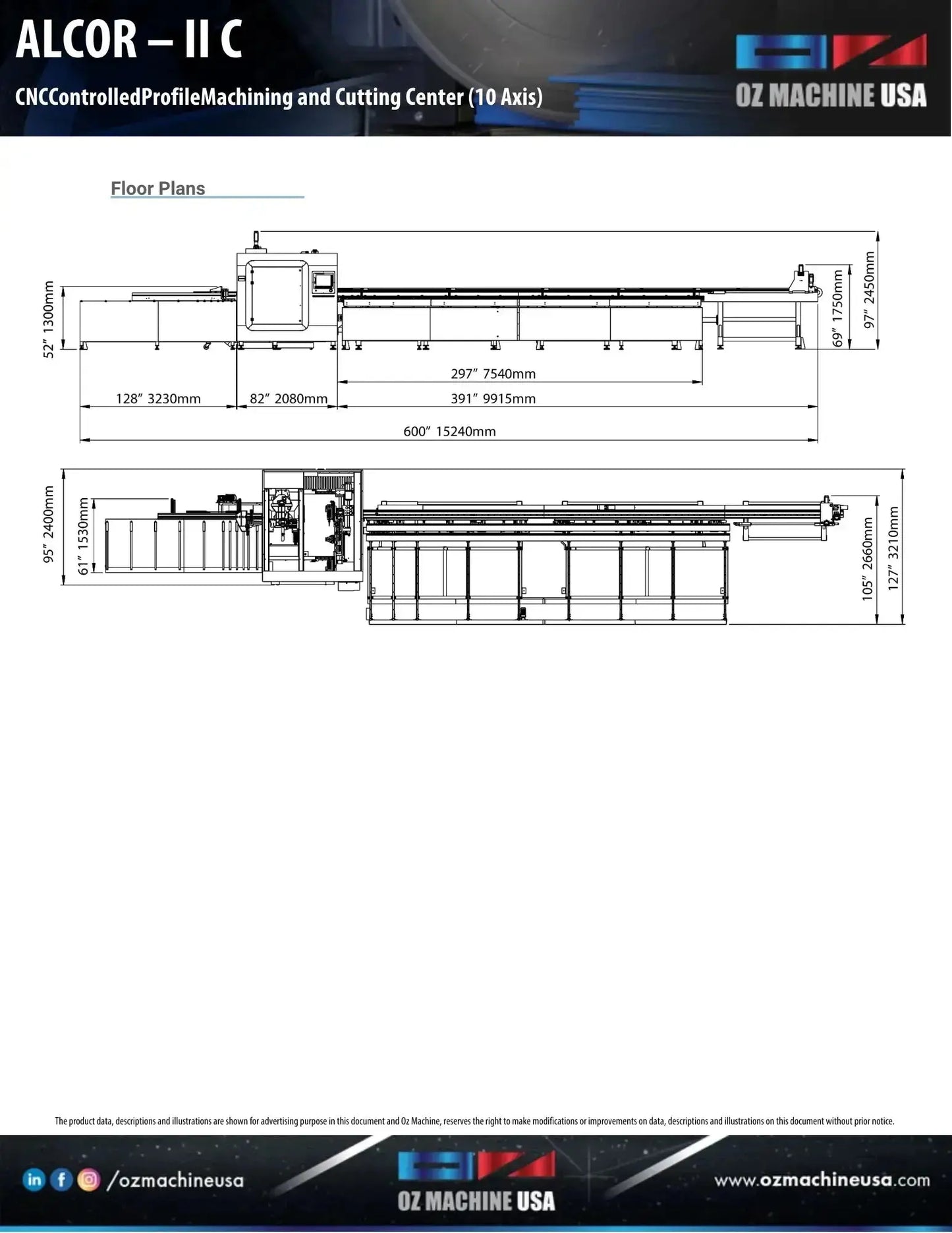
The proposed upgrade centered on an automatic upcut saw with programmable positioning, paired with improvements to material staging and job identification. The shop did not replace every machine. Its existing downstream equipment remained serviceable, and replacing it would have extended the project cost and training demands without addressing the first bottleneck.
This was a deliberate trade-off. A complete automated line can make sense for a high-volume operation with stable product families, dedicated floor space, and the labor available to support new processes. For a shop handling varied window and door configurations, a targeted upgrade offered a better balance of flexibility, investment, and near-term production gain.
The selected saw needed to process the company’s profile range accurately, support repeatable cut lists, and reduce operator dependence for common jobs. Precision mattered for more than appearance. Incorrect cut length affects welds, corner quality, hardware alignment, glazing fit, and final installation performance. A clean, repeatable cut also reduces the time spent compensating for problems later in the line.
The equipment decision included practical details that are sometimes missed during quoting. The team confirmed available electrical service, air requirements, infeed and outfeed space, blade and tooling specifications, profile support needs, and safe access for loading material. They also reviewed how long profiles would travel through the area without crossing pedestrian routes or blocking finished-goods movement.
A Phased Installation Protected Production
The shop could not afford to stop fabricating for a week. Its implementation plan therefore separated preparation work from the actual machine changeover.
First, the floor area was marked and cleared. Material racks were repositioned so operators could stage the next job near the saw without creating excess work-in-process. Electrical and compressed-air connections were completed before delivery. Job travelers were revised so the cut list, profile reference, quantity, and destination traveled with each batch.
Second, the new saw was installed during a lower-volume production period. The existing manual saw remained available as a temporary backup while the team verified programs, cut quality, and operator procedures. This reduced the risk of a missed shipment if an unfamiliar profile or unusual order required attention.
Third, operators received training based on the actual work they perform. Training was not limited to starting and stopping the machine. It covered material loading, program selection, cut verification, blade inspection, cleaning, basic fault recognition, and when to escalate a service issue. The goal was to build consistent operation, not create dependence on one experienced employee.
For manufacturers considering a similar project, this transition period is essential. A machine can be technically installed and still underperform if work instructions, staging, and operator responsibility have not changed with it.
What Changed on the Shop Floor
The most visible improvement was not simply faster cutting. It was predictability. Operators could prepare material for the next job while programmed cuts were completed, rather than repeatedly measuring and resetting stops. Downstream stations received more consistent batches, which made daily scheduling easier for production supervision.
The upgraded cutting process also reduced avoidable variation. When common lengths and angles are programmed correctly, the shop has fewer opportunities for transcription errors and manual measurement drift. Quality checks remain necessary, especially at setup and when changing profile systems, but they become a controlled verification step rather than a constant recovery effort.
Material flow improved because the shop defined clear staging positions. Incoming profiles were separated from cut parts, and completed batches moved to the next process with identification intact. This sounds basic, but it prevents a familiar fabrication problem: good parts sitting idle because no one is certain whether they belong to the current order, a rush order, or a completed batch awaiting machining.
The upgrade produced operational benefits in three connected areas: more available cutting capacity, better cut consistency, and less unplanned interruption downstream. The value came from the combined process, not the saw alone.
Measuring Results Without Overstating Them
A serious capital purchase should be evaluated against shop-specific data. Results depend on order mix, profile type, staffing, existing equipment condition, and whether the former bottleneck moves elsewhere after the upgrade.
In this case, the manufacturer compared performance over similar production weeks. Useful measures included parts cut per labor hour, first-pass cut acceptance, rework volume, queue time at cutting, and on-time release of prepared kits to downstream operations. The plant manager also tracked how often the manual backup saw was needed after the first month.
A staged line upgrade may reveal another constraint. Once cutting becomes faster and more consistent, routing, machining, welding, cleaning, or assembly may become the limiting step. That is not a failure of the investment. It is useful information for the next capital plan. The strongest manufacturers treat line improvements as a sequence of decisions supported by actual production data.
The Financial Case: More Than a Machine Price
The purchase decision was based on more than the equipment price. The manufacturer considered labor hours recovered from repetitive measuring and handling, lower scrap and rework exposure, reduced overtime pressure, improved schedule reliability, and the capacity to accept additional work without immediately adding another shift.
Financing can be particularly useful when an upgrade is expected to improve production performance but the business needs to preserve working capital for inventory, payroll, or growth. The right structure depends on cash flow, expected utilization, tax planning, and the anticipated life of the equipment. A low monthly payment is not automatically the best deal if it delays the purchase of essential tooling, service coverage, or material-handling improvements.
Support should also be part of the comparison. Local inventory, access to a showroom, available technical assistance, and a supplier that understands window and door fabrication can shorten the path from delivery to productive use. For Florida manufacturers, the ability to assess equipment and discuss application requirements in person can reduce uncertainty before a major purchase.
How to Plan Your Own Line Upgrade
Start with the bottleneck, not the catalog. Observe the line during a normal production day and follow one order from profile receiving through final assembly. Record where parts wait, where operators repeat work, and where defects first appear. Then determine whether the issue is machine speed, machine capability, layout, tooling, material handling, programming, or training.
Next, define the production outcome you need. It may be higher daily output, better accuracy on aluminum profiles, shorter lead times, fewer operators tied to repetitive tasks, or the ability to run a broader product mix. Those goals lead to different machinery choices.
Finally, plan installation as an operating change. Confirm utilities and floor space, establish a backup path for critical orders, prepare operators before startup, and measure results after the equipment is in regular use. Sheffield Machinery Direct can help manufacturers evaluate saws, tooling, support requirements, and financing options against the demands of their actual fabrication environment.
The best upgrade is not always the largest project on the floor. It is the one that gives your team a more controlled process today while creating a practical next step for tomorrow’s production growth.