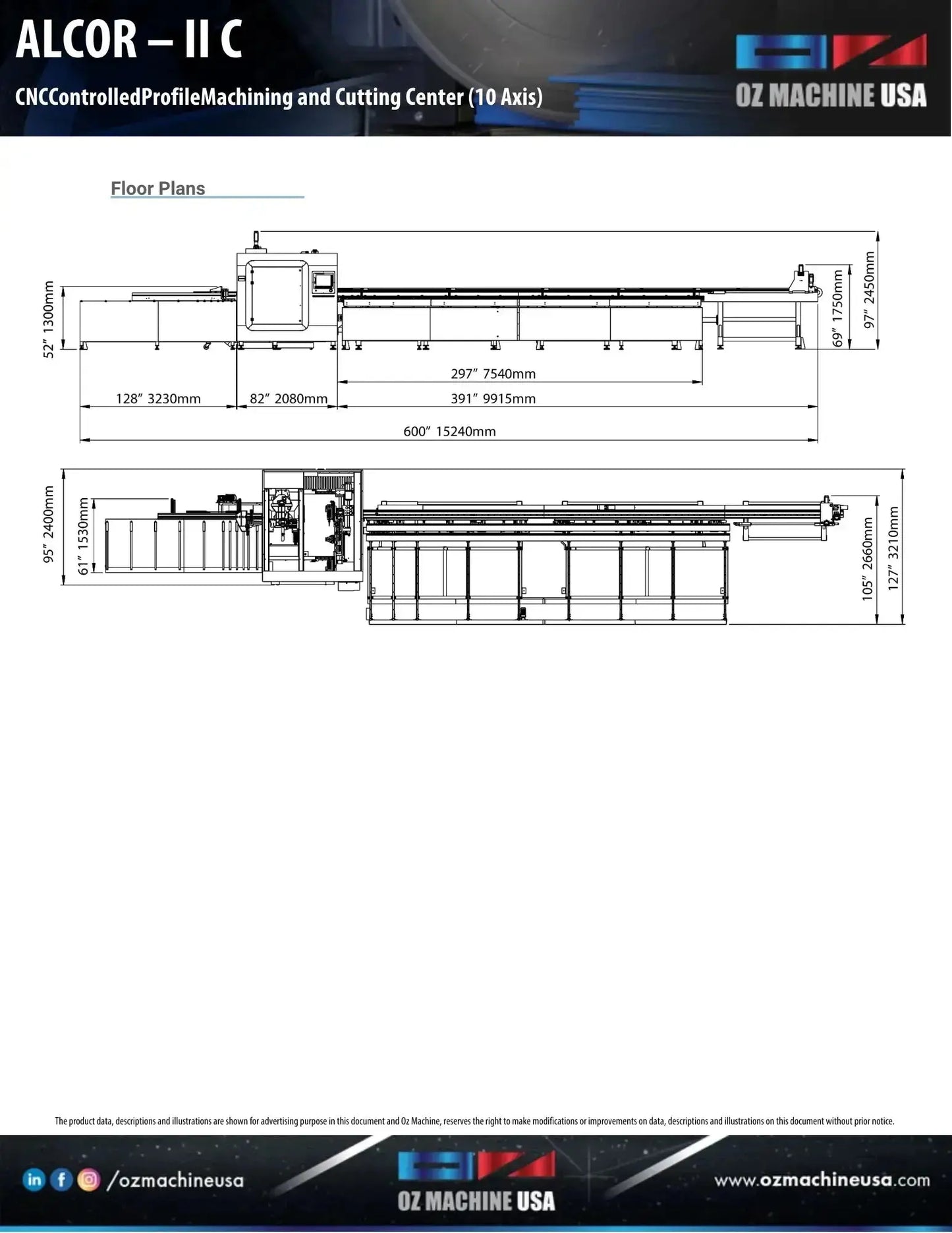
Choosing Door Manufacturing Equipment
A door line usually shows its weak points fast. Cut quality starts drifting, operators build workarounds to keep orders moving, and simple jobs begin taking too many touches. That is usually the point when door manufacturing equipment stops being a purchasing topic and becomes an operations issue.
For manufacturers working with PVC, aluminum, wood, or composite profiles, equipment decisions affect more than capacity. They shape part consistency, labor efficiency, scrap rates, lead times, and how confidently a shop can quote larger or more demanding work. The right machine is not just the one with the biggest feature list. It is the one that fits your material mix, production flow, and service reality.
What door manufacturing equipment needs to do
In a real production environment, machinery has to do three things well. It has to produce accurate parts repeatedly, keep pace with demand, and stay supportable over time. If one of those areas falls short, the cost shows up somewhere else - rework, overtime, delayed shipments, or excess labor at the wrong station.
That is why equipment selection should start with process requirements rather than brand names or headline specs. A saw that performs well in a high-volume aluminum operation may be the wrong fit for a custom wood shop. A manual machine may be perfectly appropriate for low-volume specialty work, while a growing vinyl fabricator may need automation to remove bottlenecks and improve repeatability.
The key is to evaluate the machine in the context of the line, not in isolation. Every cut, notch, and machining step affects what happens downstream in assembly, glazing, finishing, and final inspection.
Start with your production profile
Before comparing machine categories, define the work your shop actually runs. Material type matters first because PVC, aluminum, wood, and composite profiles behave differently in cutting and fabrication. Tooling, feed rates, chip handling, and clamping requirements all change based on the substrate.
Volume matters just as much. If your schedule is built around short runs, frequent changeovers, and custom configurations, flexibility may matter more than raw output. If the line repeats the same profiles all day, cycle time and automation will likely carry more value.
You also need to look at labor. Some shops try to solve throughput problems by adding people around old equipment. That can work for a while, but it often creates inconsistency and rising labor cost without fixing the root issue. In those cases, better door manufacturing equipment can stabilize output with fewer manual adjustments.
Saw selection often sets the pace
For many manufacturers, saw performance defines the baseline for the rest of the operation. Poor cut quality creates fitting problems later. Slow cycle times force operators to queue work. Inconsistent angles or lengths introduce avoidable assembly issues.
Manual saws still have a place. They can be a practical choice for lower-volume operations, prototyping, specialty work, or shops that need a dependable station for varied jobs. The trade-off is that output and repeatability depend more heavily on operator technique and setup discipline.
Automatic saws make more sense when consistency and throughput are under pressure. They reduce operator handling, improve repeatability, and support a more predictable flow of material through the line. That matters when the cost of delay is no longer measured in minutes but in missed production windows.
Upcut saws are another important category, especially where clean, accurate cuts on aluminum or similar profiles are critical. The advantage is controlled cutting action and better finish quality when paired with the right tooling and setup. But the machine alone does not solve everything. Blade selection, maintenance, and operator training still determine whether the saw performs as expected over time.
Precision is not just a quality issue
Most buyers understand that precision affects fit and finish. What is sometimes underestimated is how directly it affects profitability. A machine that holds tolerances consistently reduces rework, improves assembly speed, and lowers material loss from bad parts.
This is especially important for shops producing doors tied to tighter specifications, larger openings, or more demanding architectural systems. Small errors at the cutting stage can create expensive problems later, particularly when hardware prep, frame alignment, or final installation tolerances leave little room for correction.
Higher precision does not always require the most advanced machine on the market. It requires equipment that can hold the tolerances your jobs demand, in the hands of your operators, under your shop conditions. That distinction matters. A machine should be evaluated for practical precision, not just theoretical capability.
Match automation to actual constraints
Automation can improve output, but only when it addresses a real bottleneck. If cutting is the slowest point in the line, moving from manual to automatic equipment may deliver immediate gains. If your bottleneck is elsewhere, such as assembly, material staging, or final packaging, automation at the saw may help less than expected.
This is where many equipment purchases go off track. A shop buys for maximum specification instead of production balance. The result is an expensive machine sitting upstream of old downstream processes that cannot absorb the added pace.
A better approach is to map the line honestly. Look at queue times, changeover losses, operator idle time, and rework frequency. Then choose the level of automation that improves flow without creating new imbalance. Sometimes that means a major upgrade. Sometimes it means improving one station and tightening support around it.
Support, tooling, and uptime matter as much as the machine
Industrial buyers know this already, but it is worth stating clearly: equipment value is not defined on delivery day. It is defined over years of operation. Service response, parts access, tooling support, and operator guidance have a direct effect on uptime.
That is one reason many manufacturers prefer suppliers with industry-specific knowledge instead of general industrial distribution. A supplier that understands door and window fabrication can usually spot fit issues earlier, recommend better machine configurations, and help align tooling with profile requirements.
For operations in the Southeast, local access also matters. Showroom availability, nearby stock, and responsive support can shorten decision cycles and reduce downtime risk. Sheffield Machinery Direct serves this market with machinery, tooling, service support, and financing options built around fabrication operations rather than generic equipment sales.
Financing changes the buying decision
Capital equipment purchases are rarely evaluated on sticker price alone. Most plant managers and owners are weighing payment structure, expected productivity gains, labor impact, and how quickly the machine starts improving the operation.
That is why financing can be more than a convenience. In some cases, it is what allows a manufacturer to replace outdated machinery before quality issues or lost capacity become more expensive than the monthly payment. The right investment timing can protect production instead of forcing a shop to keep stretching equipment past its useful range.
Still, financing does not make a poor fit into a good one. If the machine is oversized for the workload, too specialized for the product mix, or unsupported in your market, the payment structure will not fix that. Good buying decisions still come back to process alignment.
How to evaluate door manufacturing equipment before you buy
A serious review should go beyond brochures. Ask how the machine handles your material types, what tolerances are realistic in production, and what daily maintenance looks like. Review tooling needs, training requirements, and service availability. If possible, assess machine operation with parts similar to your own profiles and job conditions.
It also helps to involve more than purchasing. Production supervisors, operators, and maintenance personnel often identify issues that are easy to miss during a sales conversation. They will notice loading ergonomics, changeover time, accessibility for service, and how well the machine fits the existing floor layout.
You should also ask a simple question that gets overlooked: what happens when this machine is down? The answer reveals whether the supplier relationship is transactional or operationally useful.
The best equipment choice is usually the clearest one
When a machine fits the work, the benefits show up quickly. Parts come off cleaner. Scheduling gets easier. Operators spend less time compensating for equipment limitations. Management gets a more predictable production environment and a clearer path for growth.
There is no single best category of door manufacturing equipment for every shop. The right choice depends on your materials, volume, labor model, tolerance requirements, and support expectations. But the pattern is consistent across good investments: they solve a current production problem while making the next stage of growth easier to manage.
If your line is asking too much of aging equipment, that is usually not just wear and tear talking. It is a signal that the operation has outgrown the tools supporting it. The smartest next step is not the most aggressive upgrade. It is the one that makes tomorrow's production run feel more controlled than today's.