Best Machine for Aluminum Window Frames
If your frame corners are drifting, cut quality is inconsistent, or production backs up around one workstation every shift, the question is not simply what is the best machine for aluminum window frames. The real question is which machine removes the biggest constraint in your shop without creating a new one somewhere else.
For most aluminum window fabricators, there is no single universal answer. A small custom shop cutting short runs has different needs than a high-volume operation running standardized systems all day. The best investment depends on profile mix, output targets, labor availability, tolerance requirements, and how much of the process you want to automate.
What the best machine for aluminum window frames really depends on
Aluminum frame production is not built around one machine. It is built around a sequence - cutting, machining, routing, punching, corner assembly, and sometimes glazing support operations. When buyers ask for the best machine, they often mean the machine that will improve throughput or quality the fastest.
That usually puts the decision into one of three categories. If your main issue is cut accuracy and repeatability, the answer is often an upcut saw or automatic saw built for aluminum profiles. If your bottleneck is corner assembly and frame consistency, a corner crimper may deliver more value than another cutting station. If your operation is growing and setup time is hurting output, CNC machining centers become much more relevant.
The mistake is buying for headline features instead of process fit. A more advanced machine is not automatically the better machine if your shop cannot feed it, staff it, or justify its capacity.
Start with the operation that controls frame quality
In aluminum window fabrication, cutting is usually the first place to look. Poor cuts affect everything after that - miters open up, corners fight assembly, hardware prep drifts, and scrap goes up. That is why many shops consider a precision saw the foundation machine in the line.
Why saw selection matters so much
An aluminum profile needs clean, accurate cuts with minimal burrs and stable angle control. A manual saw can work for low-volume or highly variable production, especially when an experienced operator is involved. But once order volume rises or labor consistency becomes a problem, manual cutting often starts costing more than it saves.
Automatic saws and upcut saws bring more repeatability to the process. They help control feed rate, angle accuracy, and cut consistency across shifts. In practical terms, that means fewer remakes and less downstream adjustment during assembly.
For many shops, the best machine for aluminum window frames is an upcut saw with the right blade package, clamping system, and measuring controls for the profile systems they run most often. Not because it handles every task, but because it stabilizes the process from the start.
When a double-head saw makes more sense
If you are running larger production volumes, a double-head saw can change labor efficiency quickly. Instead of measuring and making separate cuts for each member, you can process opposing ends with tighter consistency and faster cycle times.
This matters most for shops producing repeated frame sizes or standard product lines. The trade-off is footprint, upfront cost, and the need for a steady flow of work to justify the investment. For custom-heavy shops with frequent changeovers, the gain may be smaller than expected.
The corner crimper may be the better answer
Not every frame problem begins at the saw. Some shops cut accurately enough but lose time and consistency at assembly. If corners are the pain point, the best machine may be a corner crimping system designed for your profile family and production pace.
A good crimper improves structural consistency and reduces variation from operator technique. It also helps maintain appearance standards, which is critical in finished aluminum systems where visible corner quality affects customer acceptance.
The key is matching the crimper to the profile design, wall thickness, and corner key strategy you use. A mismatch here can create more setup frustration than productivity. This is where equipment buyers benefit from working with a supplier that understands fenestration-specific applications instead of treating the purchase like a general metalworking sale.
CNC machinery makes sense when variability is costing you
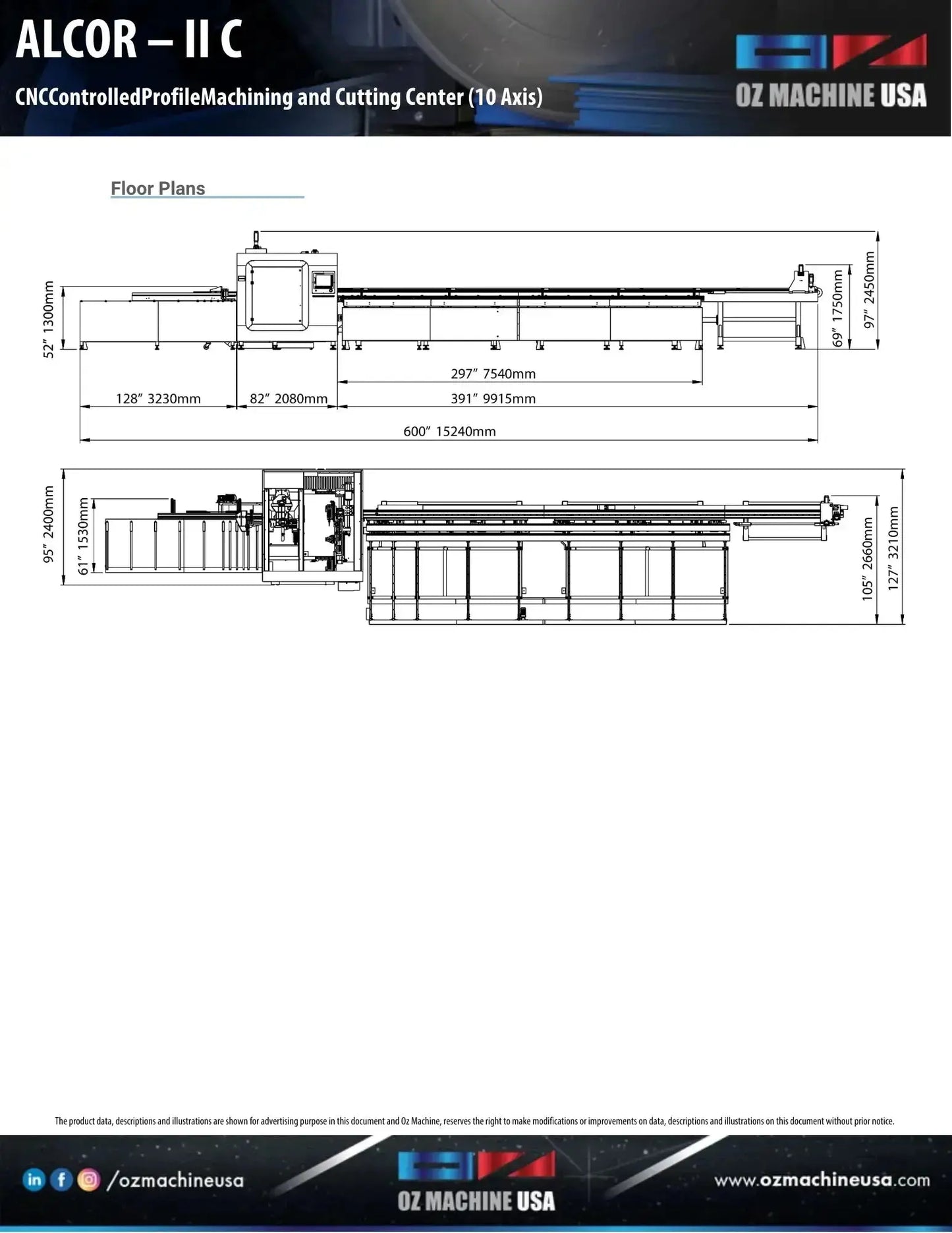
Once a shop moves beyond simple cutting and assembly constraints, CNC equipment starts to enter the conversation. This is especially true when you are machining drainage slots, hardware prep, connector locations, and profile-specific operations across multiple SKUs.
When CNC is the best machine for aluminum window frames
If operators are spending too much time on manual routing, repeated setups, or off-line measuring, CNC equipment can improve both speed and accuracy. It also reduces dependency on highly specialized manual skill for certain operations, which matters in a labor market where experienced fabrication operators are difficult to replace.
That said, CNC is not the automatic answer for every fabricator. Programming requirements, training, maintenance discipline, and production planning all need to be in place. Shops sometimes buy CNC capacity before they have the workflow control to use it well.
If your volume is moderate, your profile mix changes constantly, and your current methods are still meeting tolerance and lead-time demands, a saw or crimping upgrade may produce a faster return than a full CNC step.
How to evaluate the right machine for your shop
The most reliable way to choose is to follow the production data, not assumptions. Look at where remakes happen, where operators wait, where dimensions drift, and where overtime accumulates. Those points reveal which machine category will have the strongest impact.
A few questions usually clarify the decision quickly. Are you losing time in cut setup or cut accuracy? Are assembly teams correcting issues that started upstream? Are profile-specific machining steps slowing order flow? Is the next equipment purchase meant to add capacity, reduce labor dependency, improve finish quality, or all three?
Once that is clear, compare machines by practical criteria: tolerance repeatability, cycle time, setup time, blade or tooling compatibility, service access, operator training requirements, and parts support. Financing terms can matter too, especially when the equipment will increase output but needs time to pay back.
Buying for throughput versus buying for flexibility
There is a real trade-off between dedicated speed and flexible capability. A higher-throughput machine is attractive when order mix is stable and predictable. It delivers output gains and often lowers unit cost. But if your product line changes frequently, setup-heavy equipment can become less efficient than it looked during the sales process.
Flexible machines support a broader mix of profiles and custom jobs, but they may not match the cycle time of equipment designed for repetitive production. The best choice depends on your revenue model. If most of your margin comes from custom work, flexibility has real value. If your growth plan depends on running volume efficiently, throughput should lead the decision.
Support matters as much as the machine itself
Industrial buyers know this already, but it is worth stating directly: the best machine on paper is not the best machine if service, parts, and application support are weak. Aluminum window production does not stop being expensive when a machine is down.
That is why supplier capability should be part of the buying decision. Local inventory access, technical support, showroom evaluation, and financing all affect how quickly a machine starts producing value. For shops in the US market, especially those that want practical support tied to window and door fabrication, working with a sector-specific supplier can reduce risk. Sheffield Machinery Direct is positioned around that exact model, with machinery access, technical support, and application understanding built around fabrication operations rather than general industrial supply.
So what is the best machine to buy first?
If your shop is still relying heavily on manual cutting and your quality issues start there, a precision aluminum saw is often the smartest first investment. If your corners are slowing output or causing rejects, a crimper may have the better return. If your operation is growing across multiple profile systems and manual machining is becoming the bottleneck, CNC may be the right next step.
The best machine for aluminum window frames is the one that solves the most expensive production problem in your current workflow while still fitting the next stage of your growth. Buy for the process you run now, but make sure the machine can support the shop you are trying to become.
A good machinery decision should make tomorrow's schedule easier to hit, not just today's quote easier to approve.