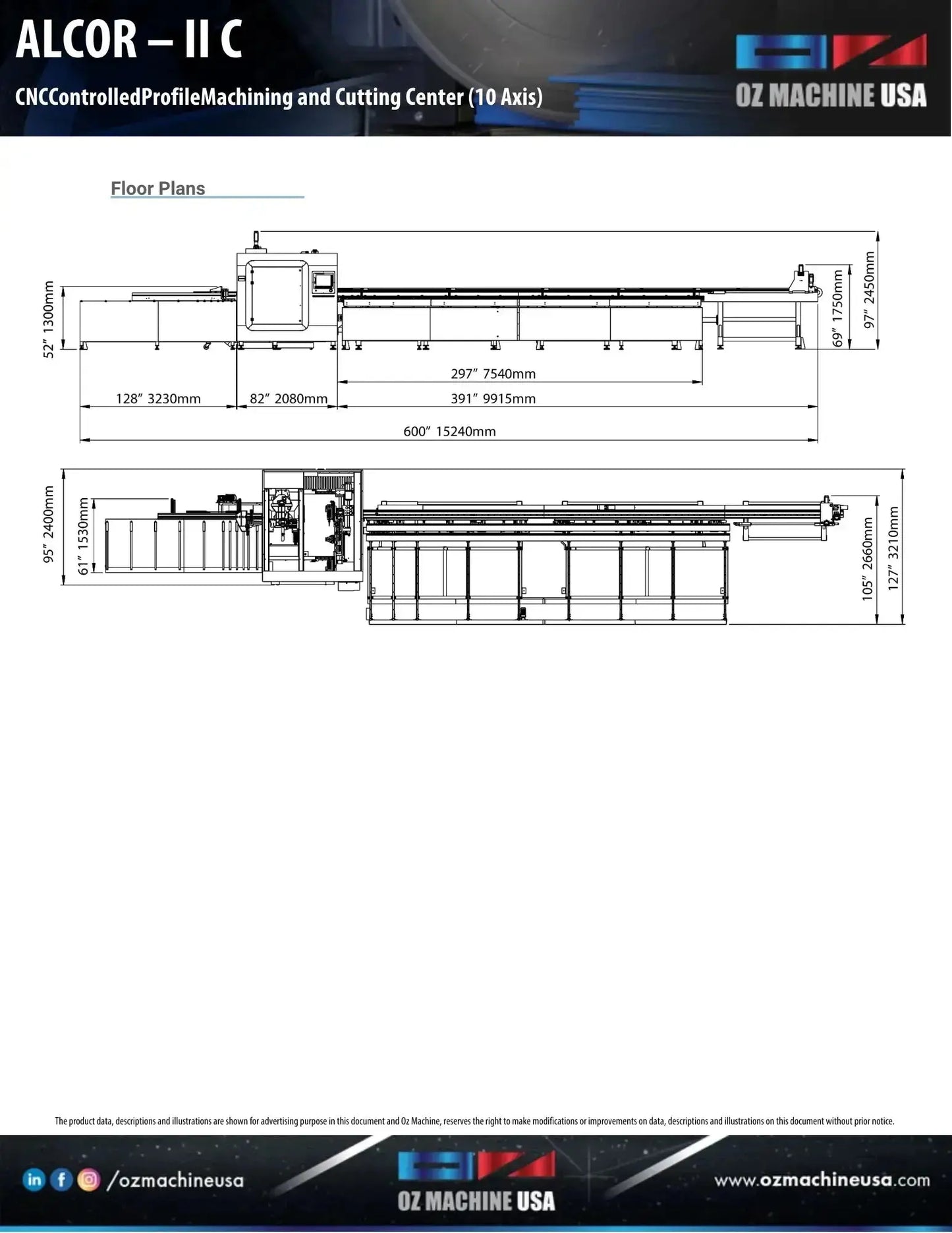
Best Aluminum Cutting Systems for Fabricators
A rough aluminum cut shows up everywhere downstream. Corners stop closing cleanly, machining accuracy drifts, operators spend more time compensating, and scrap starts eating margin. That is why choosing the best aluminum cutting systems is less about buying a saw and more about protecting throughput, repeatability, and finished product quality across the entire fabrication process.
For window and door manufacturers, the right system depends on what you run, how often you change profile types, and where your current bottlenecks sit. A small shop handling custom work has different priorities than a plant feeding high-volume frame assembly. The better decision comes from matching machine capability to production reality, not from chasing the biggest specification sheet.
What the best aluminum cutting systems actually solve
Aluminum fabrication puts pressure on both accuracy and cycle time. Profiles vary in wall thickness, shape, finish, and rigidity. Some jobs call for simple straight cuts. Others require precise mitering, repeat length control, and clean surfaces that do not create extra deburring or rework before assembly.
The best aluminum cutting systems help solve three operational problems at once. First, they improve cut quality so parts fit consistently at assembly. Second, they reduce dependence on operator technique by controlling feed, clamping, positioning, and angle accuracy. Third, they support higher output without creating a maintenance burden that cancels out the productivity gain.
That balance matters. A machine that cuts fast but needs constant adjustment can create as many problems as an outdated saw. On the other hand, a very advanced system may be unnecessary for a shop with low daily volume and frequent custom setup changes.
Start with your production profile, not the machine category
Many buying mistakes happen because companies shop by machine type before they define the job. A more practical approach is to look at your part mix, daily shift volume, tolerance requirements, labor model, and downstream assembly pace.
If your operation cuts short runs with frequent changeovers, setup speed and flexibility often matter more than full automation. If you run repeat programs all day, automated positioning and feed control can return value quickly. If your issue is inconsistent quality between operators, clamping stability, blade selection, and machine rigidity may deserve more attention than raw speed.
This is also where material behavior matters. Painted and thermally broken profiles can be less forgiving than basic extrusion stock. Surface finish expectations are higher in architectural and fenestration applications, so cut cleanliness is not a minor detail. It directly affects final product presentation and fit.
Manual saws still have a place
Manual aluminum cutting systems remain useful in many fabrication environments, especially for smaller shops, backup capacity, prototype work, and low-volume custom production. A well-built manual saw can deliver accurate cuts when properly maintained and paired with the right blade, fixtures, and operator process.
The advantage is straightforward. Initial investment is lower, training is simpler, and the machine can fit into operations that do not yet need automated throughput. For a shop that cuts varied profiles in shorter batches, a manual machine may be the most economical option.
The trade-off is consistency at scale. Manual operation introduces more variation in feed pressure, positioning, and cycle timing. That may be manageable for lower output environments, but it becomes expensive when production volume rises or tolerance demands tighten. In those cases, labor cost and quality variation can outweigh the lower purchase price.
Semi-automatic systems are often the practical middle ground
For many window and door fabricators, semi-automatic equipment is where productivity and control start to align. These systems typically improve clamping, cutting cycle consistency, and operator efficiency without requiring the full capital commitment of a highly automated line.
This category works well for shops that have grown beyond manual cutting but still need flexibility across profile types and batch sizes. Operators spend less effort controlling the cut and more effort keeping material flow moving. That usually means more predictable output and less fatigue-related variation over the course of a shift.
Semi-automatic systems also give buyers a cleaner path to process standardization. When the machine controls more of the cycle, it becomes easier to train new operators and maintain repeatable quality across shifts.
Automatic aluminum cutting systems for higher-volume output
When throughput, repeatability, and labor efficiency become the top priorities, automatic systems deserve serious attention. These machines are built to reduce manual intervention by automating positioning, cutting sequences, and in many cases optimization around repeated production programs.
In a high-volume environment, that matters for more than speed. Automatic systems can reduce measuring errors, shorten setup between repeat jobs, and create a more stable flow into machining, assembly, or packaging. If your shop is fighting missed lengths, operator bottlenecks, or inconsistent miter quality, automation can have a measurable impact on both productivity and scrap.
The trade-off is that automation only pays when the rest of the process can support it. If loading, unloading, labeling, or downstream assembly are still manual choke points, a faster cutting cell alone may not solve the problem. The best results come when cutting equipment is chosen as part of the broader production line, not as a standalone fix.
Why upcut saw design matters in aluminum work
Upcut saws are a strong fit for many aluminum applications because they are designed to support clean, controlled cutting with stable workpiece positioning. In profile fabrication, that translates into better finish quality, more reliable accuracy, and less movement during the cut.
Machine construction plays a major role here. A rigid frame, dependable clamping, and smooth blade movement do more than improve appearance. They help preserve dimensional accuracy over long runs and reduce small inconsistencies that compound during assembly.
This is one reason experienced buyers look beyond headline specs. Motor power matters, but so do clamping pressure control, angle setting reliability, fence design, and how easily the machine holds calibration over time. The best aluminum cutting systems are not just fast on day one. They stay accurate in production.
Blade, tooling, and support are part of the system
A common mistake is evaluating only the machine while treating tooling as an afterthought. In aluminum cutting, blade geometry, tooth count, coating, and maintenance practices have a direct effect on finish quality, heat generation, burr formation, and blade life.
That means the system includes more than the saw body. It includes the blade package, coolant or lubrication approach where applicable, chip handling, and access to service support when alignment or wear issues show up. A strong machine paired with the wrong blade can still produce poor results.
For manufacturers, supplier support also deserves more weight than it often gets. Local inventory, technical guidance, and service responsiveness can affect uptime just as much as the original equipment choice. This is especially relevant when production schedules leave little room for extended downtime. For fabricators in Florida and the Southeast, working with a supplier that understands the window and door sector and can support machinery locally can reduce risk after the sale.
How to compare the best aluminum cutting systems
A good comparison comes down to five areas: cut quality, throughput, changeover time, labor efficiency, and supportability. Price matters, but the better question is cost per usable part over time.
A lower-cost machine that creates rework, requires frequent adjustment, or slows operators between jobs may be more expensive in practice than a higher-priced unit that runs accurately with less intervention. At the same time, not every operation needs top-end automation. If your schedule is built around shorter custom runs, a simpler and more flexible setup may produce better returns.
It also helps to look at how the machine fits your growth plan. If current output is close to capacity, buying only for today can force another upgrade sooner than expected. If demand is still uneven, a right-sized system may be the smarter move until volume stabilizes.
The right choice depends on where your bottleneck is
If your problem is operator variation, focus on control and repeatability. If your problem is output, look at automation and material handling. If your problem is cut finish, pay closer attention to blade selection, clamping, and machine rigidity. If your problem is budget, weigh financing options against the hidden cost of scrap and lost production time.
That is why there is no single winner in the category. The best aluminum cutting systems are the ones that fit your profile mix, staffing model, tolerance expectations, and production goals without adding complexity your team does not need.
A solid buying decision should leave you with cleaner cuts, steadier flow, and fewer workarounds on the shop floor. When the cutting process becomes predictable, everything after it gets easier.